

By Annabel Mumba
Annabel Mumba is AYC’s Donor Relations Coordinator. She is a Scholarship Fund recipient, and a graduate of Mulungushi University with a Bachelor of Arts in Communications (Journalism), and also one of our Success Stories.
Co-written by Pamela O’Brien, African Education Program’s Development Director, who is mentoring Annabel.
As we close out 2025, Amos Youth Centre (AYC) reflects on a year defined by growth, resilience, and collective action. This year reaffirmed our belief that sustainable community transformation is driven by strong partnerships, active community involvement, and a shared commitment to empowering young people, women, and families. Despite challenges, 2025 was a year of meaningful milestones that strengthened our programs and deepened our impact.
A Partnership That Powered Our Impact
One of the most transformative achievements of the year was the establishment of Kafue’s first Urban Farming & Permaculture Learning Space, made possible through a partnership with Kia Middle East & Africa, the African Education Program, and support from The Waste Lab. Through this initiative, over 100 students were trained in urban farming, permaculture, and biofabrication.
Young people gained practical skills in modern farming methods such as raised beds, sack gardening, keyhole gardens, and maximizing small spaces. In addition, students learned biofabrication skills by transforming banana fibers into tote bags, combining sustainability with income-generating knowledge. 40 gardens have been started by the students after graduating from the training.
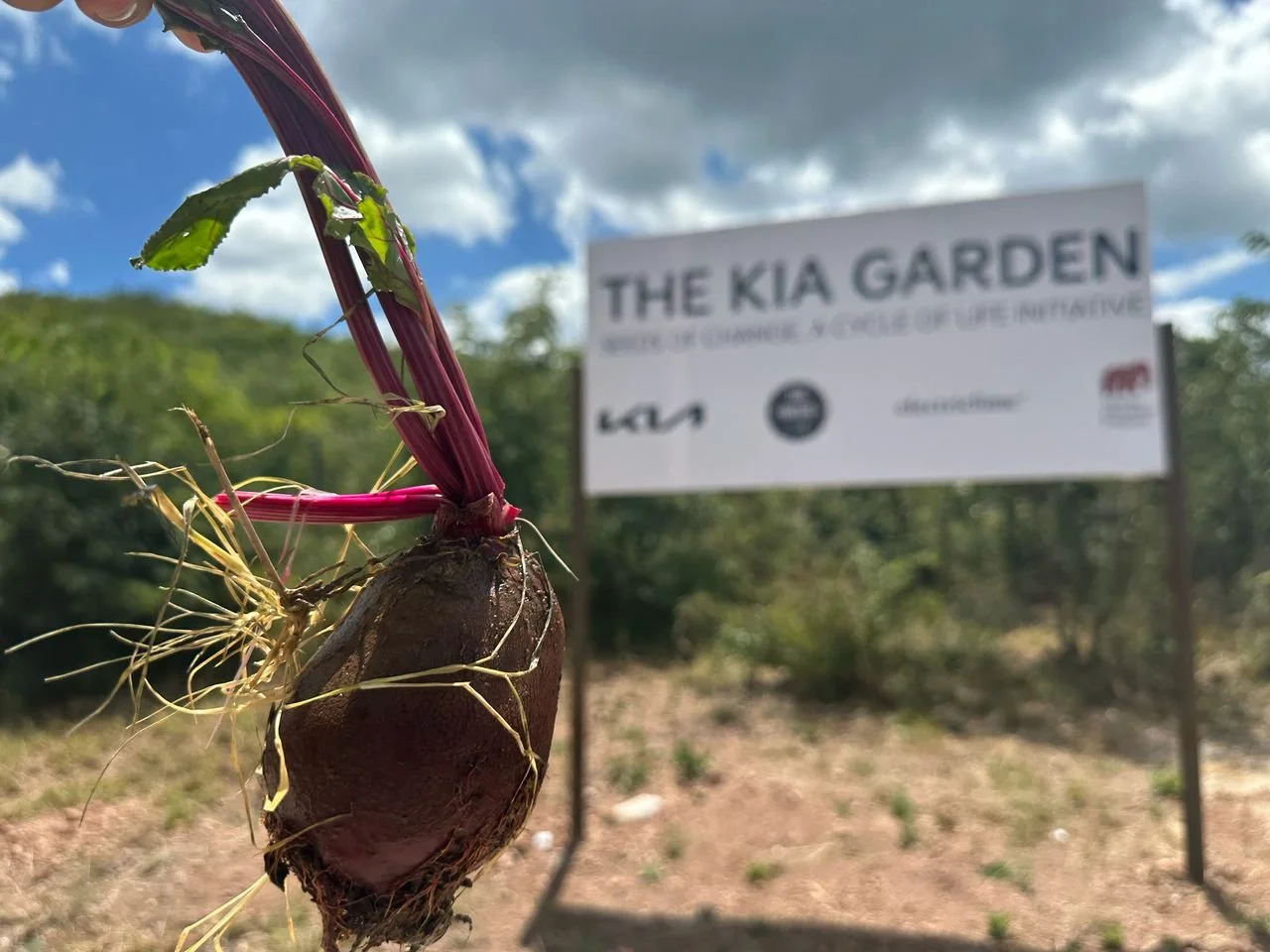
Beetroots are used for nutrition and dyes.
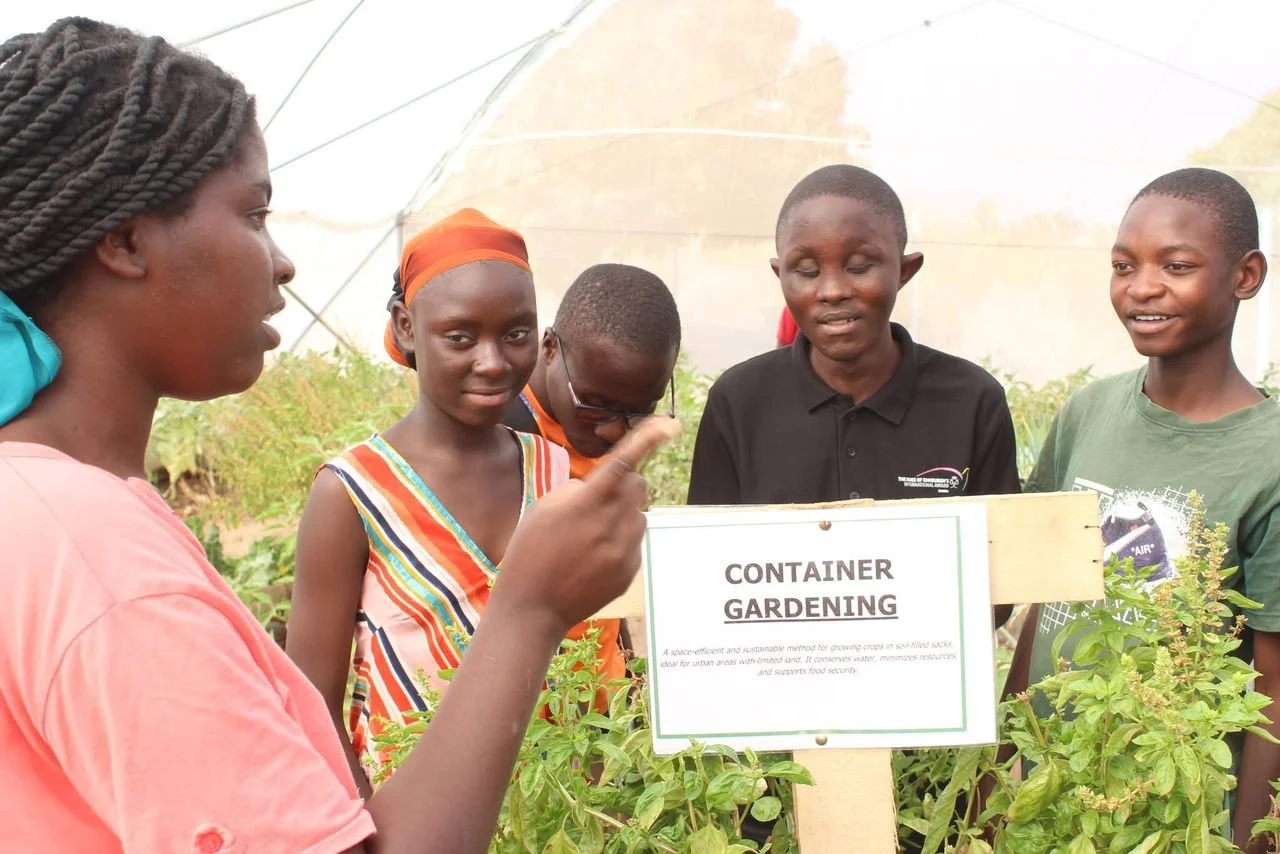
Youth cohorts attended weekly training sessions.
Growing Solutions: Urban Farming, Sustainability, and Skills
The Urban Farming & Permaculture Learning Space became a vital contributor to AYC’s Nutrition Program, harvesting more than 300kg of vegetables that supported the kitchens at both the Learning & Leadership Centre and our Read for Rose Special Education Program, serving over 1,600 plates of food weekly.
Environmental sustainability was further strengthened through the production of over 4,000kg of compost made from food waste collected from the Centre’s kitchen and nearby markets. This organic fertilizer contributed to growing chemical free food. Community engagement remained central, with five community market outreaches conducted by the youth to promote food waste rescue and sustainable practices in the community.
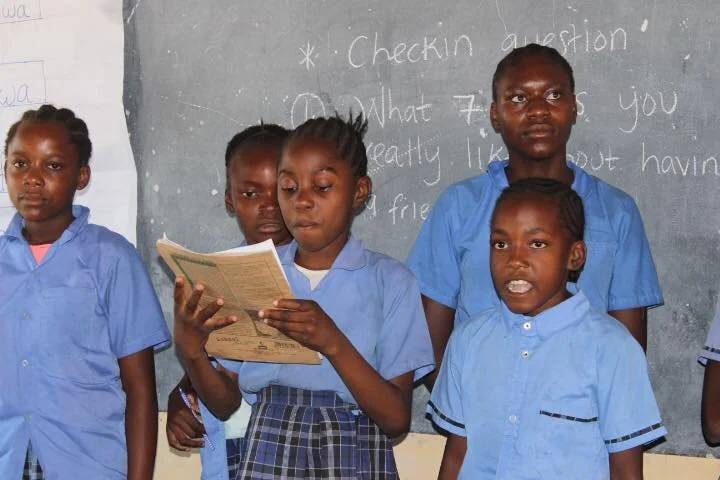
Children in LitClub sessions read out loud.
Strengthening Learning Pathways
In partnership with First National Bank (FNB), through their Corporate Social Responsibility (CSR) initiatives, we received a grant that strengthened the Young Learners Program through the expansion of Literacy Clubs across three sites: our Read for Rose Special Education Program, Amos Youth Centre’s Learning & Leadership Centre, and Soloboni Community School.
Through this partnership, 70 students have benefited from weekly sessions and participated in a total of 48 literacy sessions, increasing access to reading, learning, and foundational education for young learners. At Soloboni Community School, from the 30 students in the LitClub, 24 have reported improved reading and writing skills, social skills and better engagement with their peers.
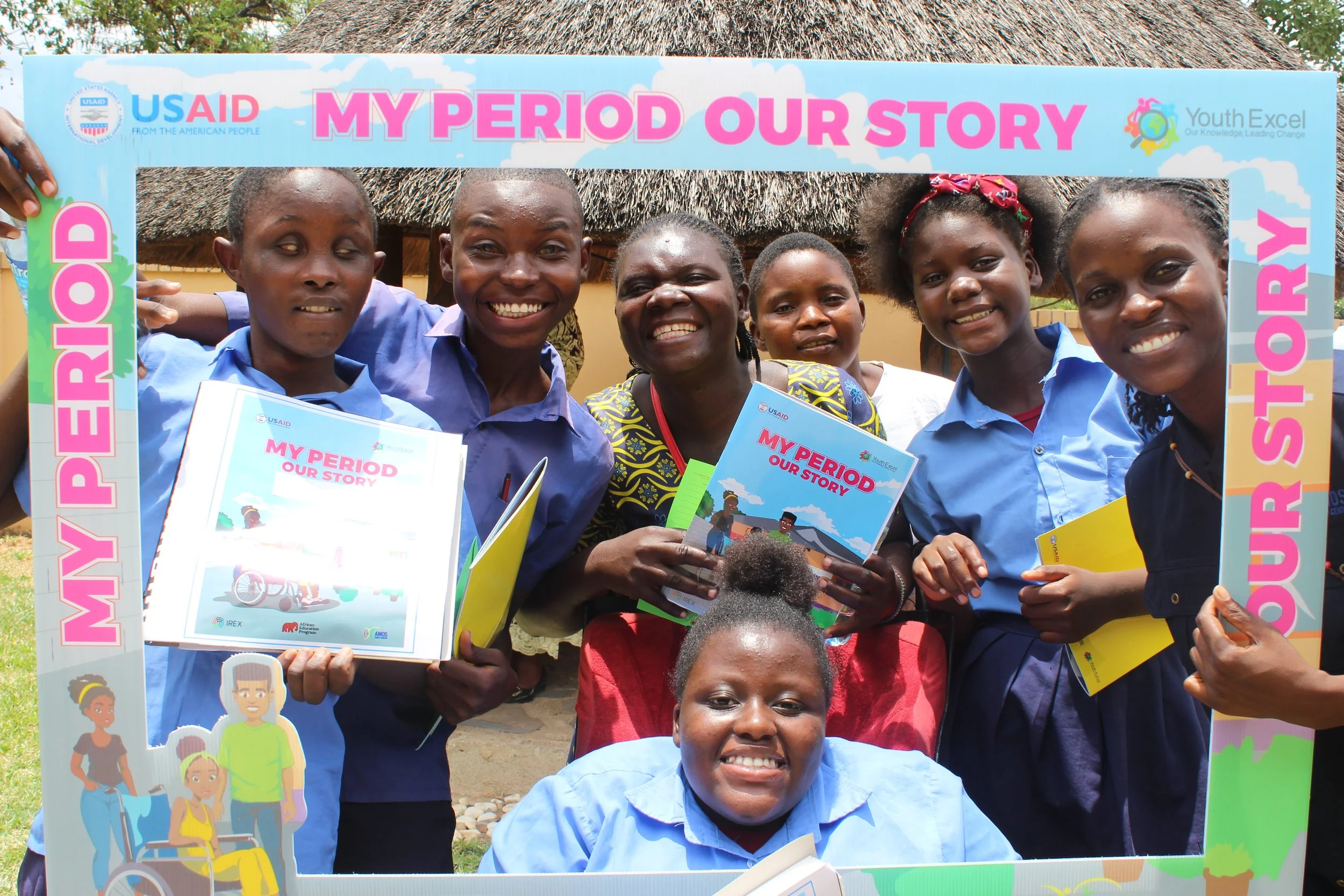
AYC youth smile during the inclusive storybook launch party.
Inclusive Learning for Every Child
Through IREX and the USAID Youth Excel grant, we were able to print AYC’s first ever menstrual health and hygiene storybook and distribute it in 8 local schools including the Amos Youth Centre and Read for Rose Special Education Program. A total of 1000 standard copies and 50 braille books were printed and 48 sessions were conducted at all sites. This inclusive storybook remains as an open source on our website.
In addition, we received an Increasing Opportunities For Children with Disabilities grant from Global Fund for Children, dedicated to supporting the Read for Rose Special Education Program, ensuring smooth program operations, access to learning materials, nutrition support, and strengthened academic and literacy activities. Read for Rose continues to support 42 children with disabilities.
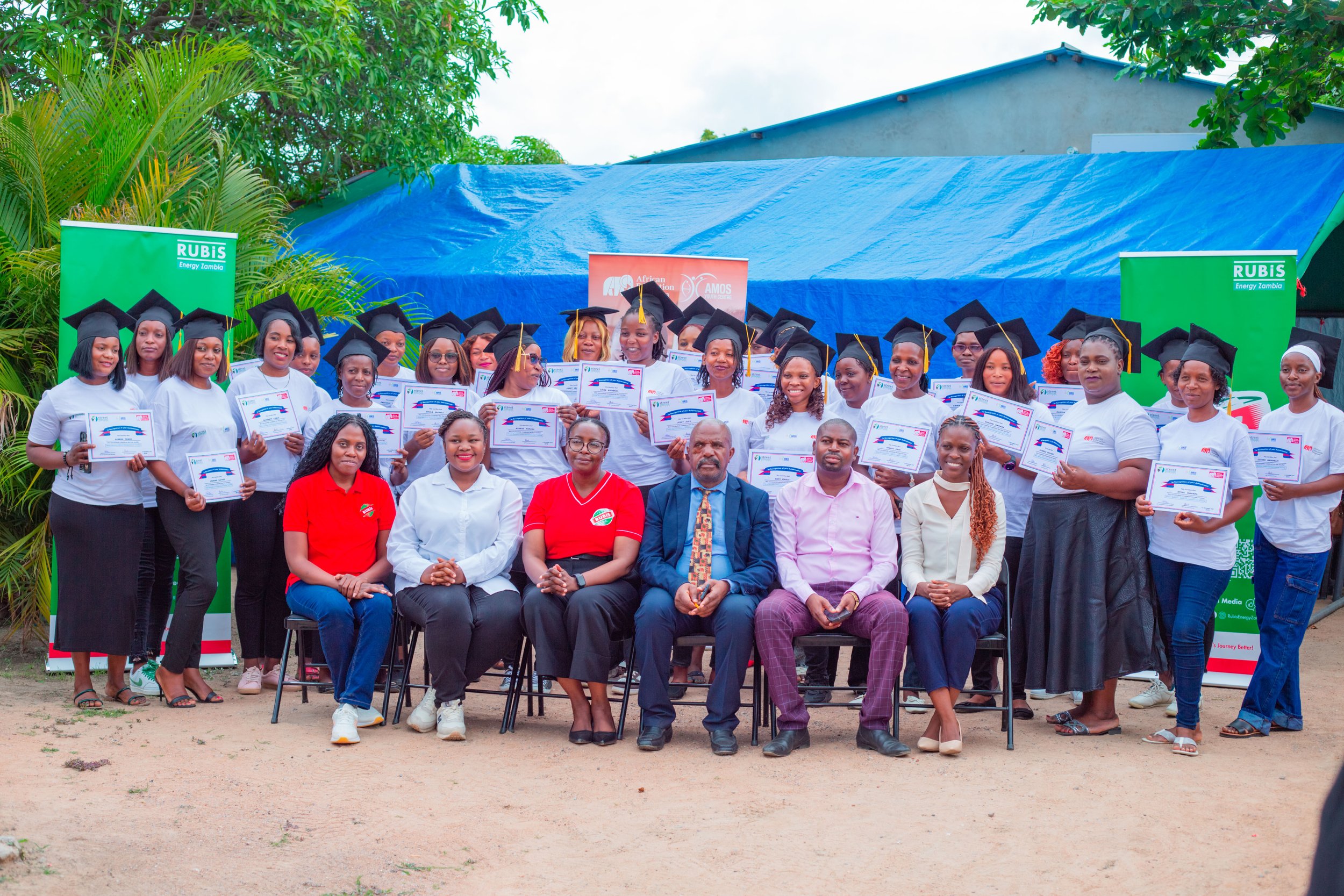
Rubis Energy Zambia visits the latest cohort to graduate in 2025.
Empowering Women, Strengthening Communities
Our partnership with Rubis Energy Zambia further strengthened women’s economic empowerment through the Women Business Training — an impactful initiative under our Entrepreneurship & Financial Literacy Program that is available to mothers and guardians of youth who attend AYC’s Learning & Leadership Center. To date, 297 women have graduated from the four-month program.
This partnership will support three cohorts in 2026 who will gain business and entrepreneurial skills that contribute to improved household incomes and long-term economic stability. Women who graduate from our Women’s Business Training report an average income increase of 92%.
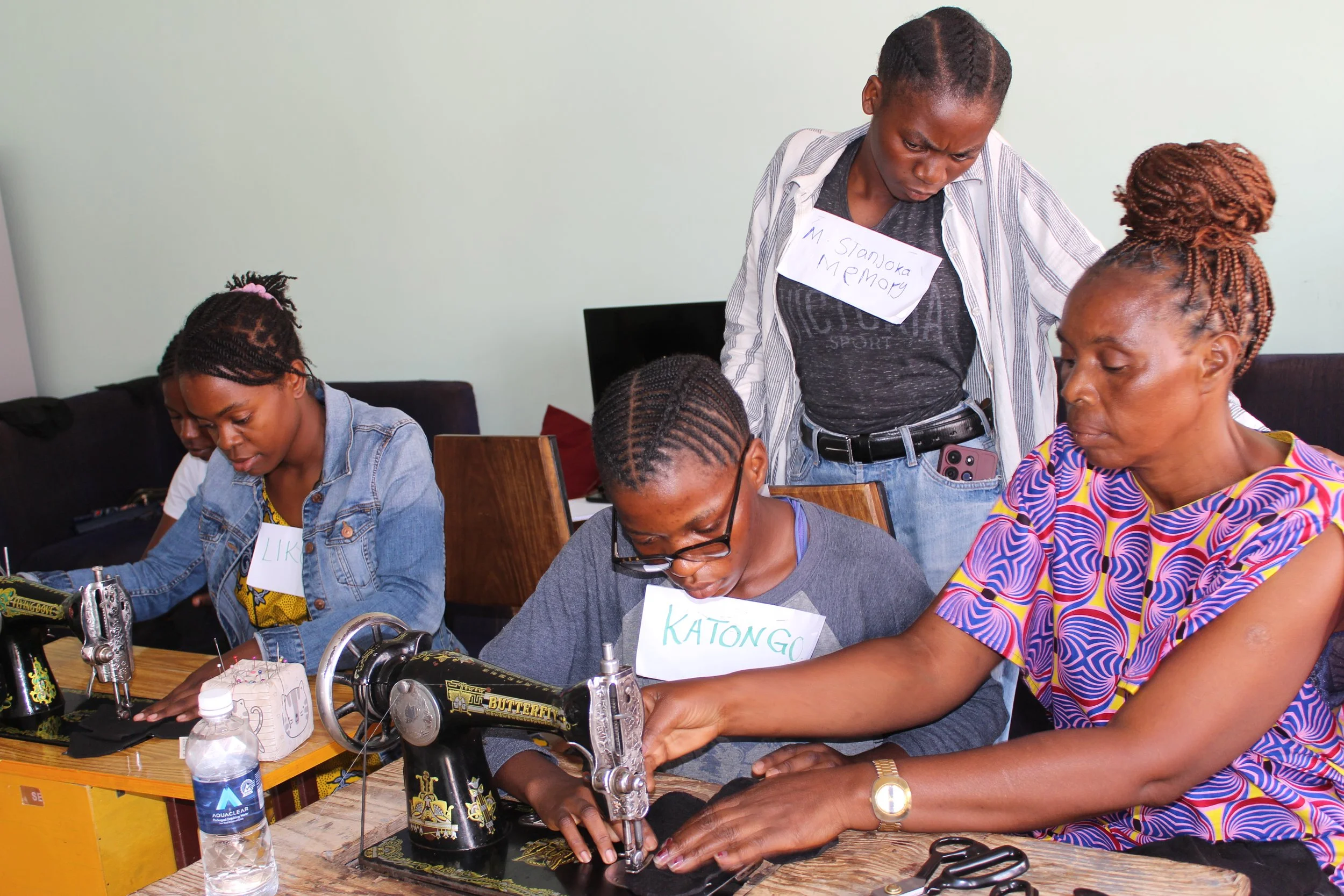
Girls and women learn how to make reusable menstrual pads.
Youth and Communities Leading Change
Beyond partnerships, 2025 was marked by several key program successes.
Through the Bridge Project, a reproductive health initiative supported by CMA CGM Logistics, AYC produced 2,400 reusable menstrual pads and distributed them to 400 girls across eight local schools, AYC, Read for Rose Special Education Program and Chiawa Chiefdom, helping to address period poverty and school absenteeism.
The Peer-to-Peer Education Program in partnership with Gold Youth Development Agency exceeded expectations in 2025, reaching 6,448 peers against an initial target of 4,000. The program conducted 17 community upliftment activities, including cleaning hospitals, clinics, police posts, and community spaces, while training 200 peer educators at junior, senior, and mentor levels. These young leaders played a critical role in driving peer-to-peer learning and community engagement.
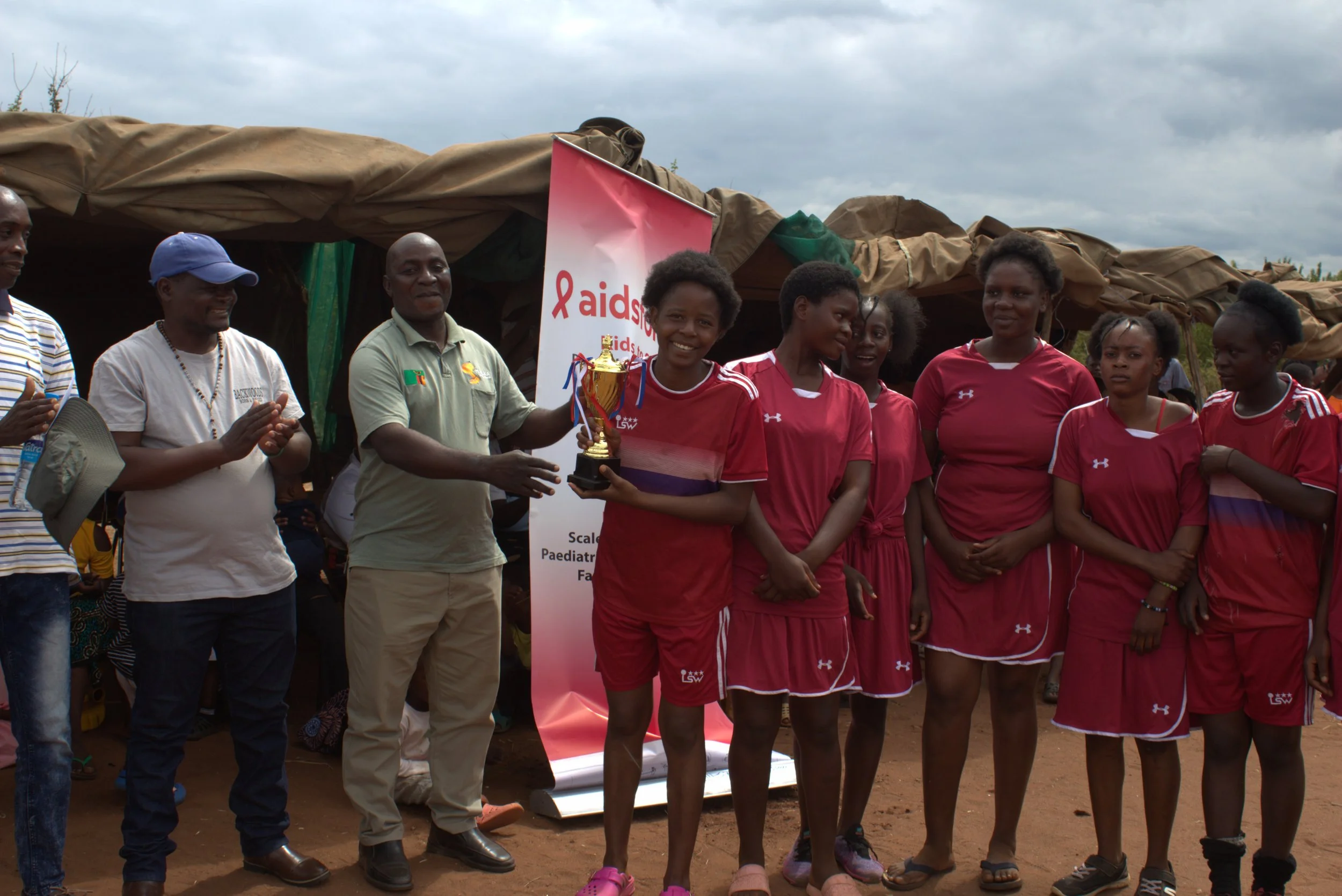
Sports tournaments allow youth to join in.
Closing Chapters, Creating Lasting Impact
The Kids to Care Project, an HIV/AIDS initiative implemented in partnership with Primrose Community Health Organization and Aidsfonds in the rural Chiawa Chiefdom has come to an end. Over the past two years, the project reached 2,934 people, including 1,334 males and 1,600 females.
Through weekly sports sessions, three young people were identified as HIV-positive and successfully linked to health care facilities. Importantly, the project also established the first-ever after-school program for young people in Chiawa, leaving behind a lasting legacy.
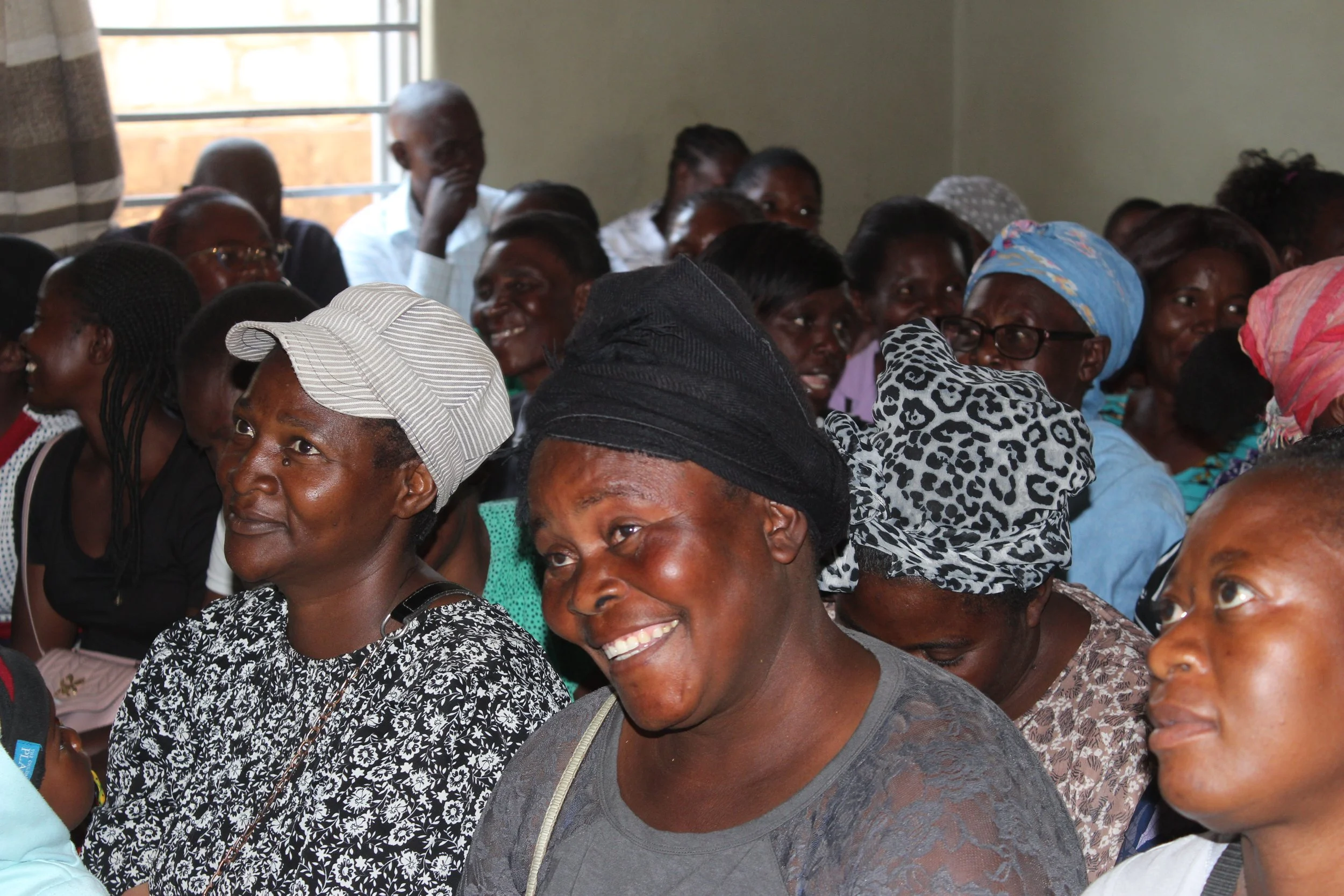
Mothers enjoy mental health support at AYC.
Caring for Minds, Supporting Families
In 2025, AYC introduced monthly Mothers’ Mental Health Sessions at the Read for Rose Special Education Program after observing that these women needed a support group as they navigate raising children with special needs.
The women now have a safe space to understand and navigate their mental health, build resilience, and challenges they face.
Statistics from a recent survey show that all 16 mothers who took part shared satisfaction with the sessions and that they addressed real and unmet needs. These mothers feel safe and respected in the sessions. They also reported the importance of community support and peer engagement being experienced while attending these caregiver mental health sessions.
What 2025 Taught Us: Navigating Challenges with Resilience and Building Futures Together
Throughout the year, AYC learned valuable lessons. The power of community involvement and local partnerships proved essential to program success. Collaborating with peer organizations, such as Primrose Community Health Organization as an implementing partner, strengthened project delivery. Engaging schools and local communities—particularly during the Menstrual Health and Hygiene Project—enhanced impact, with four sessions conducted across eight schools using AYC’s menstrual health book, My Period, Our Story. Above all, teamwork, collaboration, and strong networks within the AYC team made these achievements possible.
Despite these successes, challenges remain. Increased pressure on the Nutrition Program as we would sometimes serve more than 400 plates of food daily. National electricity power cuts disrupted productivity and connectivity. We also experienced occasional clashes between school schedules and AYC programs affecting attendance and program flow.
Looking ahead to 2026, AYC is committed to expanding collaborations, strengthening local partnerships, and reaching even more children, youth and women with impactful, community-driven programs. With continued support from our partners, donors, and community, we move forward with renewed purpose, determined to build on the foundations laid in 2025 and continue creating opportunities, resilience, and hope.