By Annabel Mumba
Annabel Mumba is AYC’s Donor Relations Coordinator. She is a Scholarship Fund recipient, and a graduate of Mulungushi University with a Bachelor of Arts in Communications (Journalism), and also one of our Success Stories.
Co-written by Pamela O’Brien, African Education Program’s Development Director, who is mentoring Annabel.
In Zambian culture, the moment a woman becomes a mother, her identity is beautifully redefined. She is no longer called by her own name, but she is now identified by a title that includes her child's name. “Amake”, which means mother, in Chinyanja, a common Zambian language, will be followed by the child's name. For example, she will no longer be called Mary but will now be called “Amake John”, meaning John’s mother.
This change is not a loss of identity but a badge of honour. A recognition of the most important role she will ever carry. But behind every proud title of "Amake" is a woman with her own fears, her own grief, and her own battles that the world does not always see.
Staying in the context of this culture, you will read about Amake Karisto, Amake Hillary and Amake Linda as they navigate motherhood while raising children with special needs.
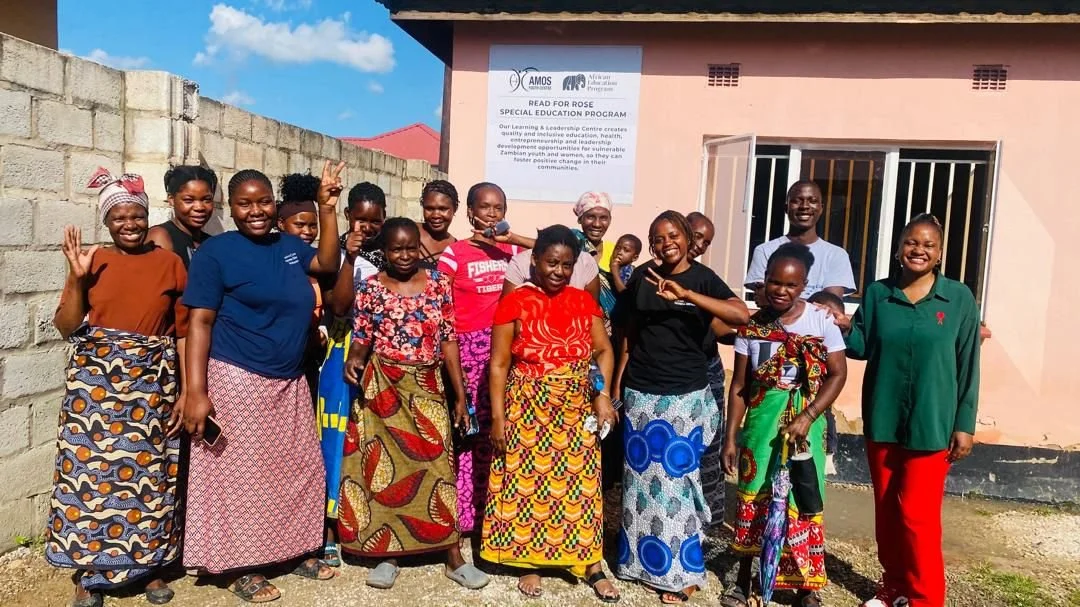
The Read for Rose Special Education Program supports the whole family.
The Read for Rose Special Education Program at the Amos Youth Centre is helping parents step out of silence through its mental health initiative. By supporting caregivers as well as children, the program creates space for healing, connection, and renewed strength.
Nobody tells you that the hardest part of raising a child with a disability is not the appointments, the therapy sessions, or the sleepless nights; it is the silence. The isolation. The feeling that no one around you truly understands what you are carrying.
This is the story of three mothers. Three journeys of pain, survival, and transformation. And the program that refuses to let them walk alone.
Karisto's Mother: Learning to Accept
Karisto was a healthy, happy boy. He was walking, talking and then, in the blink of an eye, everything changed.
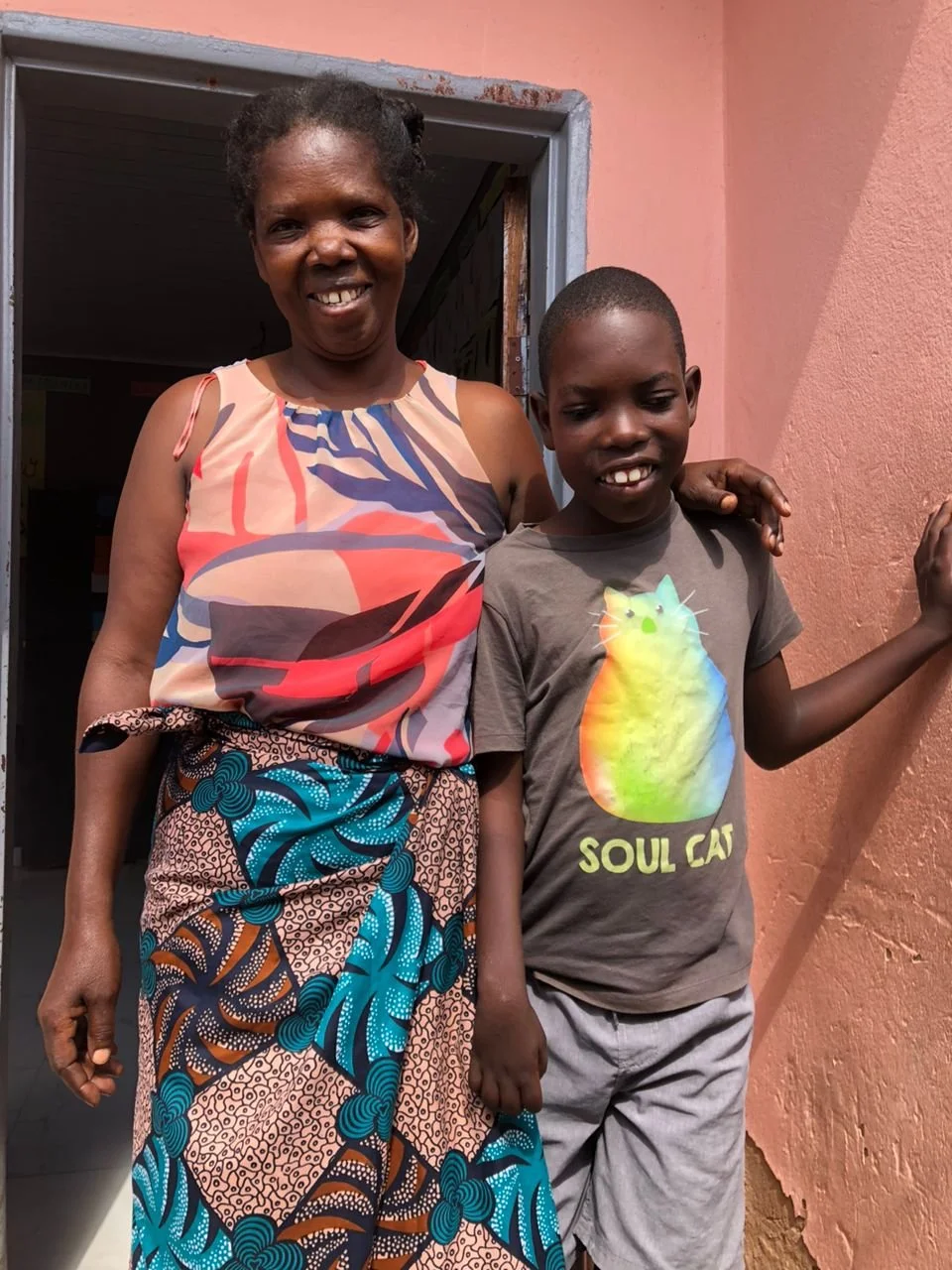
Karisto and his mother smile for the camera.
At two years and six months old, Karisto began having seizures. What followed was a diagnosis that turned his mother's world upside down. He was diagnosed with Cerebral Palsy, coupled with blindness and paralysis on his left side. In a single moment, Karisto’s mother became a full-time caregiver, knowing that this would be her life for the foreseeable future.
"I became mentally disturbed, and my emotional well-being was affected," she shared. "I had to adjust my life and knew that I was going to be taking care of him for the rest of my life."
For years, she carried that weight alone. She could not bring herself to talk to anyone about what she was going through. The grief was too raw, and the trust was too fragile.
"I had no one to confide in because I did not trust anyone," she said. "I was very emotional to even begin to tell other people what had happened to my child and me."
The hardest part, she admits, was denial. Even years after Karisto's diagnosis, she could not fully accept what had happened. She found herself constantly worrying about his future, turning the same questions over and over in her mind with no answers and no one to share the burden.
That changed when she joined mental health sessions held for parents of children who attend the Read for Rose Special Education Program. Two lessons stayed with her above all others: the sessions on depression and on forgiveness. For the first time, she had a language for what she was feeling and no longer felt alone.
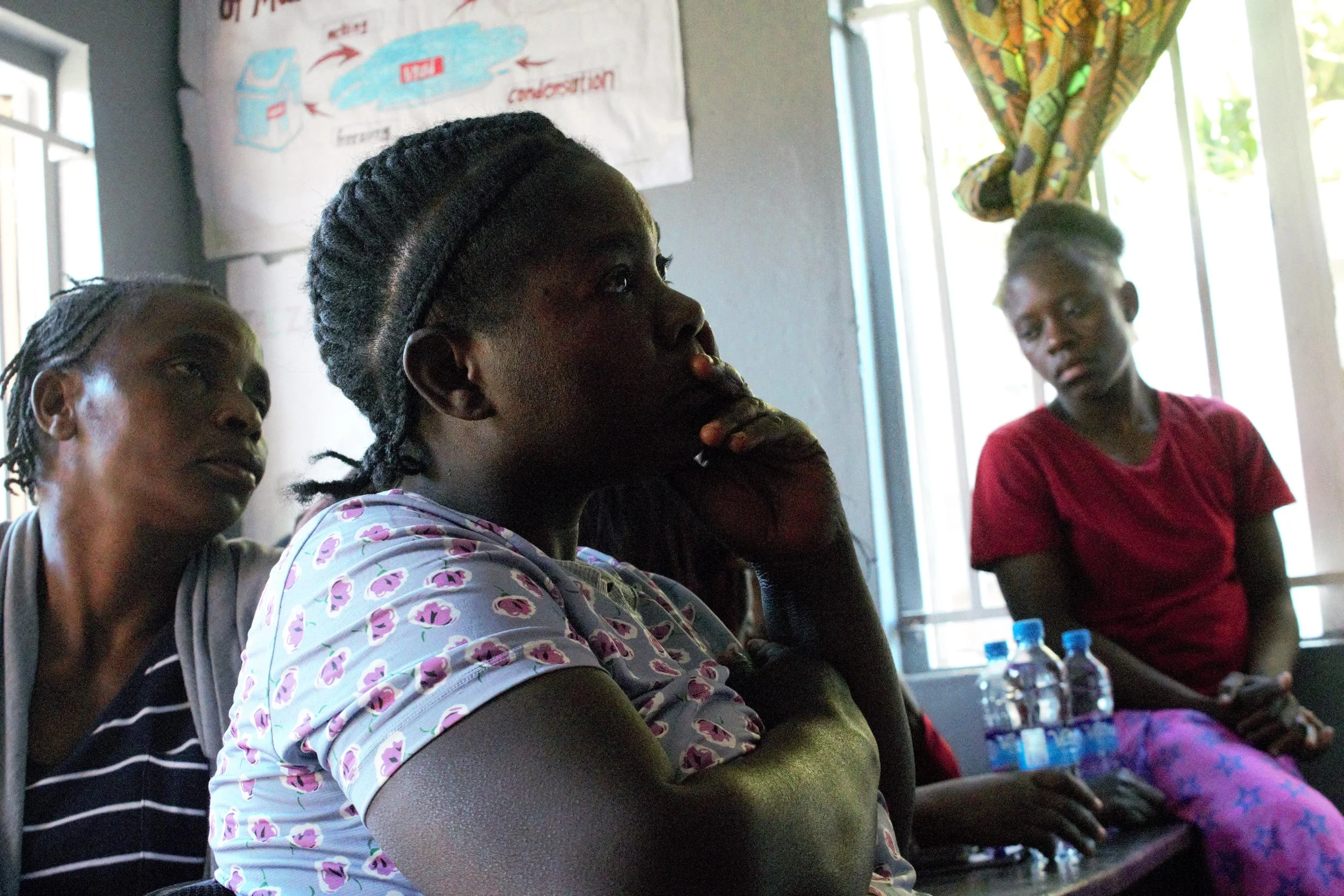
"I always felt like I was alone," she said. "And then I found that there are other women and parents who are also in the same shoes as myself."
The impact has extended beyond the sessions. Karisto himself has changed. He is more open and has learned to communicate and play with friends. And his mother, once isolated and in denial, has become an advocate, encouraging other mothers in her community to seek the help they need.
"My message to other parents is to seek help for their mental health and see how they can best help their child reach their full potential," she said.
“My message to other parents is to seek help for their mental health and see how they can best help their child reach their full potential,”
Hillary's Mother: Finding a Village
Hillary's mother noticed something was different when her daughter was nine months old. She was not hitting her milestones. After several visits to the clinic and a referral to the hospital, the diagnosis came: Down Syndrome.
"I felt bad. I cried. I could not believe what the doctors were telling me," she shared.
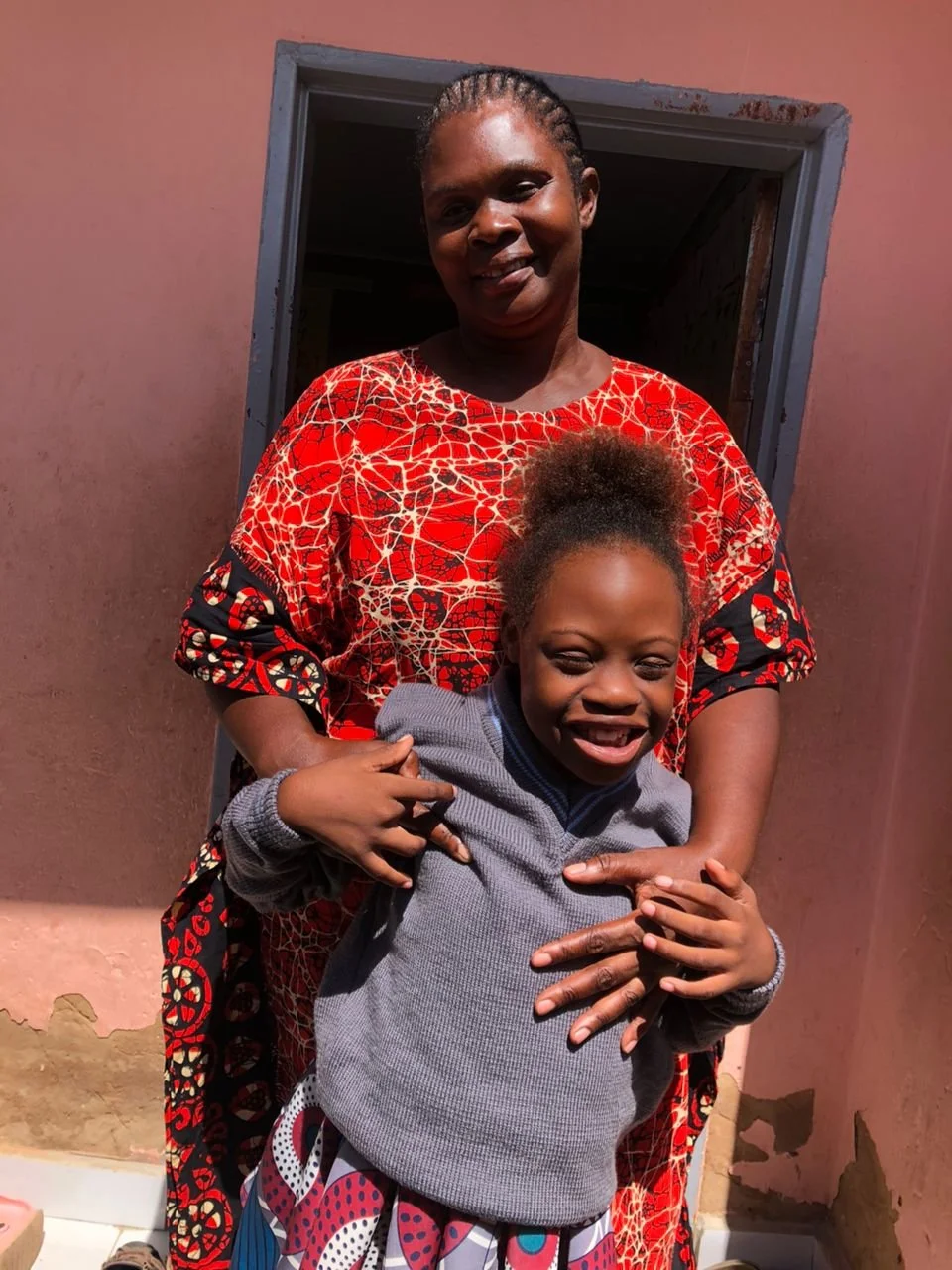
Hillary’s mother found a support group at Read for Rose.
What made the journey even harder was that she was facing it entirely alone. She had just gone through a divorce. She had no home, no support system, and no one to turn to.
For years, depression and a lack of acceptance defined her daily life. She had no friends she felt she could speak to. She carried everything silently, navigating a world that did not always make space for her or her daughter.
When she first heard about the mental health sessions at Read for Rose, she was not sure what to expect. She came out of curiosity more than anything else.
"The first class took me by surprise. I was amazed. I could not believe it, and so I decided to come back again."
The forgiveness session became her turning point. She forgave Hillary's father for not accepting his child. She forgave those who had laughed at her and her daughter. And in forgiving them, she found a freedom she had not felt in years.
But perhaps the most unexpected gift of the program was what grew between the mothers themselves. What started as a mental health support group became something far deeper.
"We have formed a village bank where we save money and share business ideas. We also support each other whenever one is sick or struggling," she shared. "We are now a family of mothers – much more than a parent’s support group. We have found support and strength in each other, something I never thought I could have."
Her relationship with Hillary has been transformed. "I have built a stronger relationship with my child now because I understand that her condition was not my fault and not her fault either. I love her more now, and she is my reason for waking up every day."
“I have built a stronger relationship with my child now because I understand that her condition was not my fault and not her fault either. I love her more now, and she is my reason for waking up every day.”
Linda's Mother: From Abandoned to Empowered
At one year and three months old, Linda was diagnosed with hydrocephalus. The diagnosis did not just change Linda's mother's life; it dismantled it entirely.
"I was devastated, and I had no hope," she said. "I thought that my child was going to die."
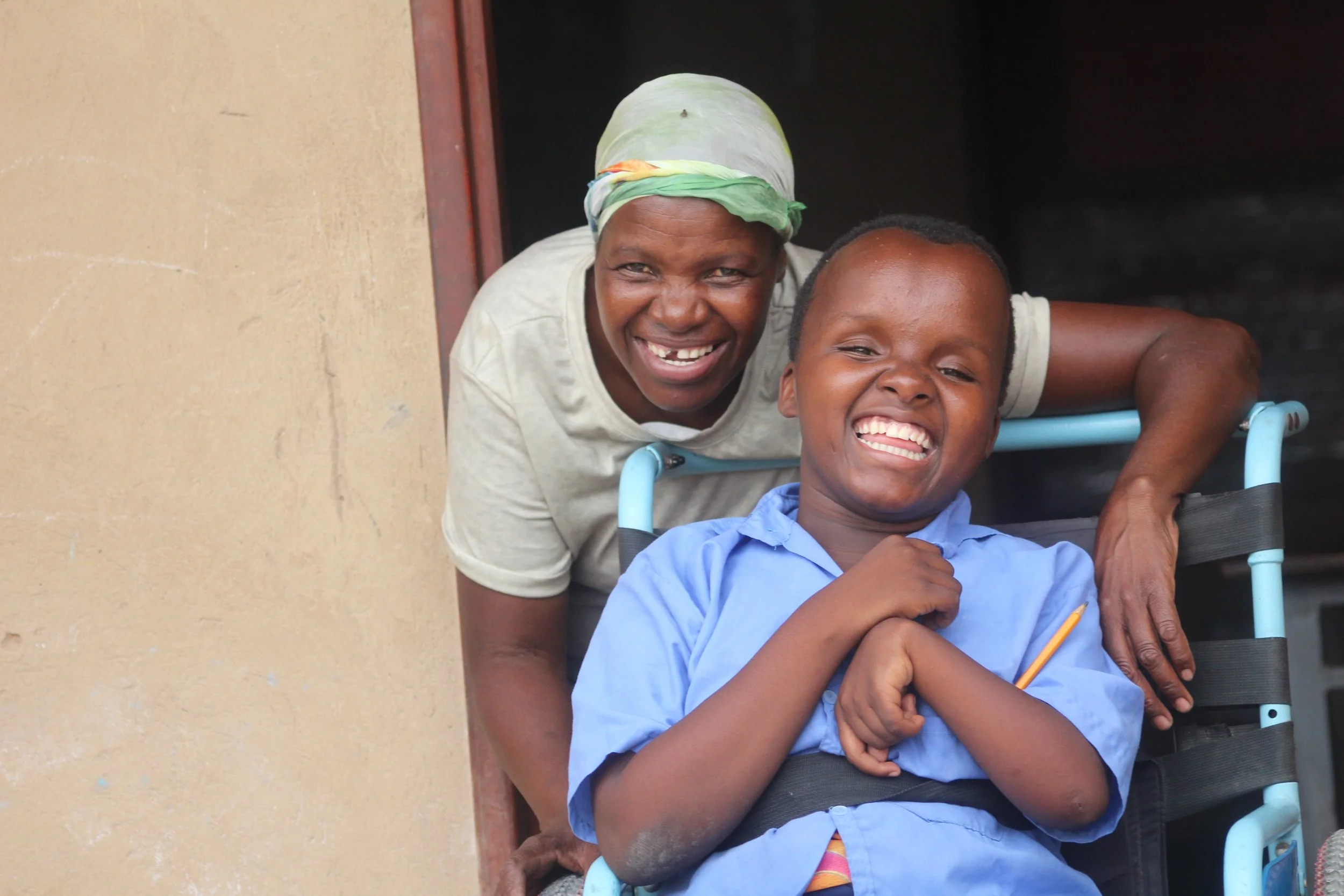
Linda’s mother found an extended family at Read for Rose.
What followed after the diagnosis was a level of abandonment that is difficult to comprehend. Her family, including her husband, turned away. She and her daughter were chased from the home after the diagnosis. It was only members of her church who took them in.
"My mental health was heavily affected because I was neglected by both my family and my husband," she shared. "No one had anything to do with my child."
In those dark early days, the only person she could speak to was Febby Choombe, Director of Special Education at Read for Rose, who became an informal counsellor to Linda's mother and several other mothers in similar situations. It was through those conversations that Febby recognised the urgent need for a dedicated space for parents to heal.
Like the other mothers, the forgiveness session became her most powerful lesson. She had to forgive those who had hurt and abandoned her and her daughter. It was not easy, but the relief that came after was undeniable.
"After forgiving all those who hurt me, I feel lighter now and handle situations better," she shared.
Today, Linda's mother is a different woman. She is no longer consumed by worry. She has learned to accept situations as they come. She understands her daughter's needs and emotions with a depth and patience she did not have before.
Her advice to other parents is clear: "Seek help to be able to take care of your child and your mental health. Once the mind is well taken care of, you can do better and care for your child, too."
“Seek help to be able to take care of your child and your mental health. Once the mind is well taken care of, you can do better and care for your child, too.”
A Program Born from Necessity
The Read for Rose Special Education Program mental health sessions did not begin as a formal program. It grew out of a need that became impossible to ignore.
During a training for mothers of children with special needs, the women themselves asked for more regular sessions, a dedicated space, and a place to return to. The stigma they were facing, both from their communities and from within their own families, was immense. And they were carrying it alone.
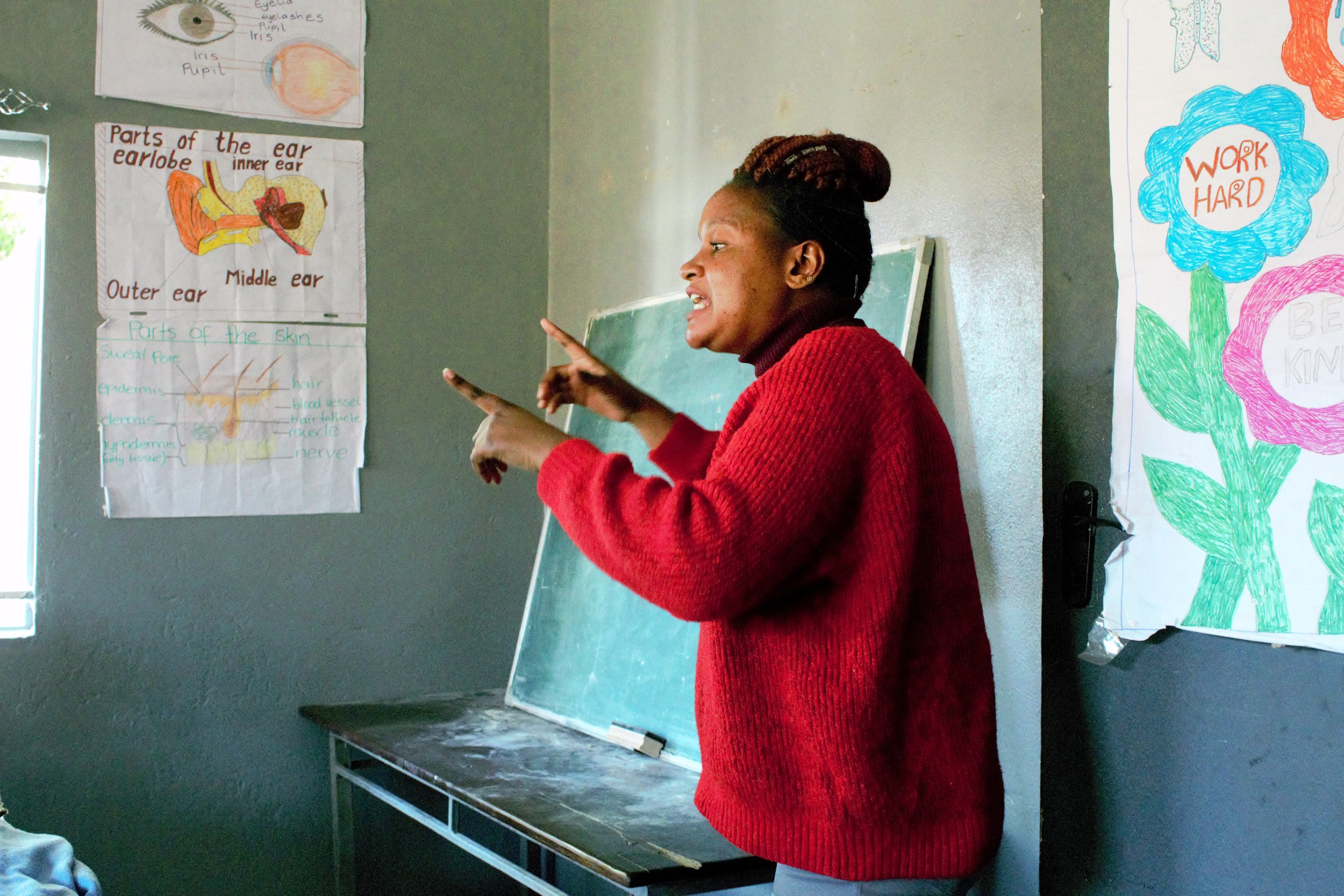
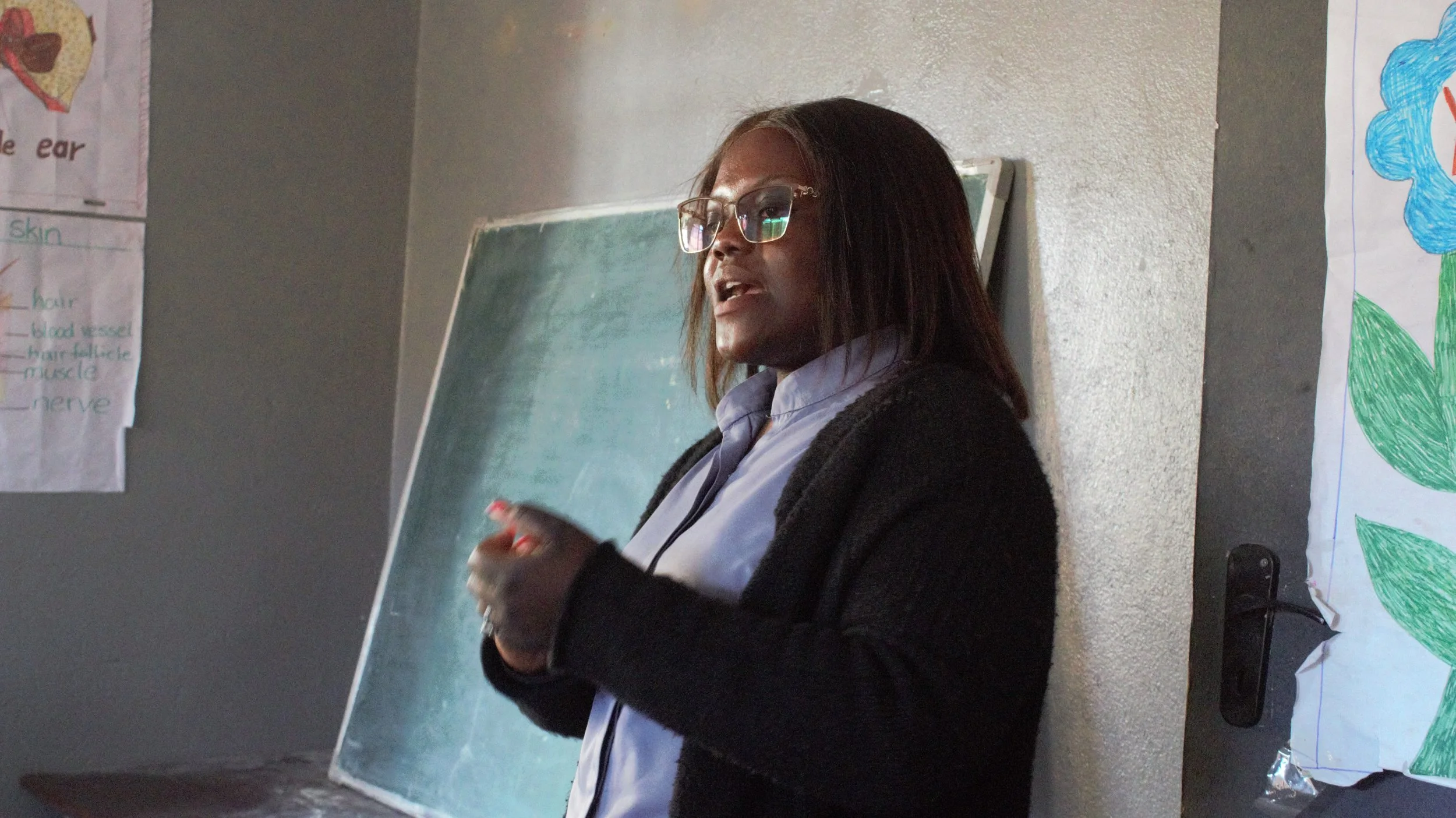
Christine enjoys working with the mothers at Read for Rose.
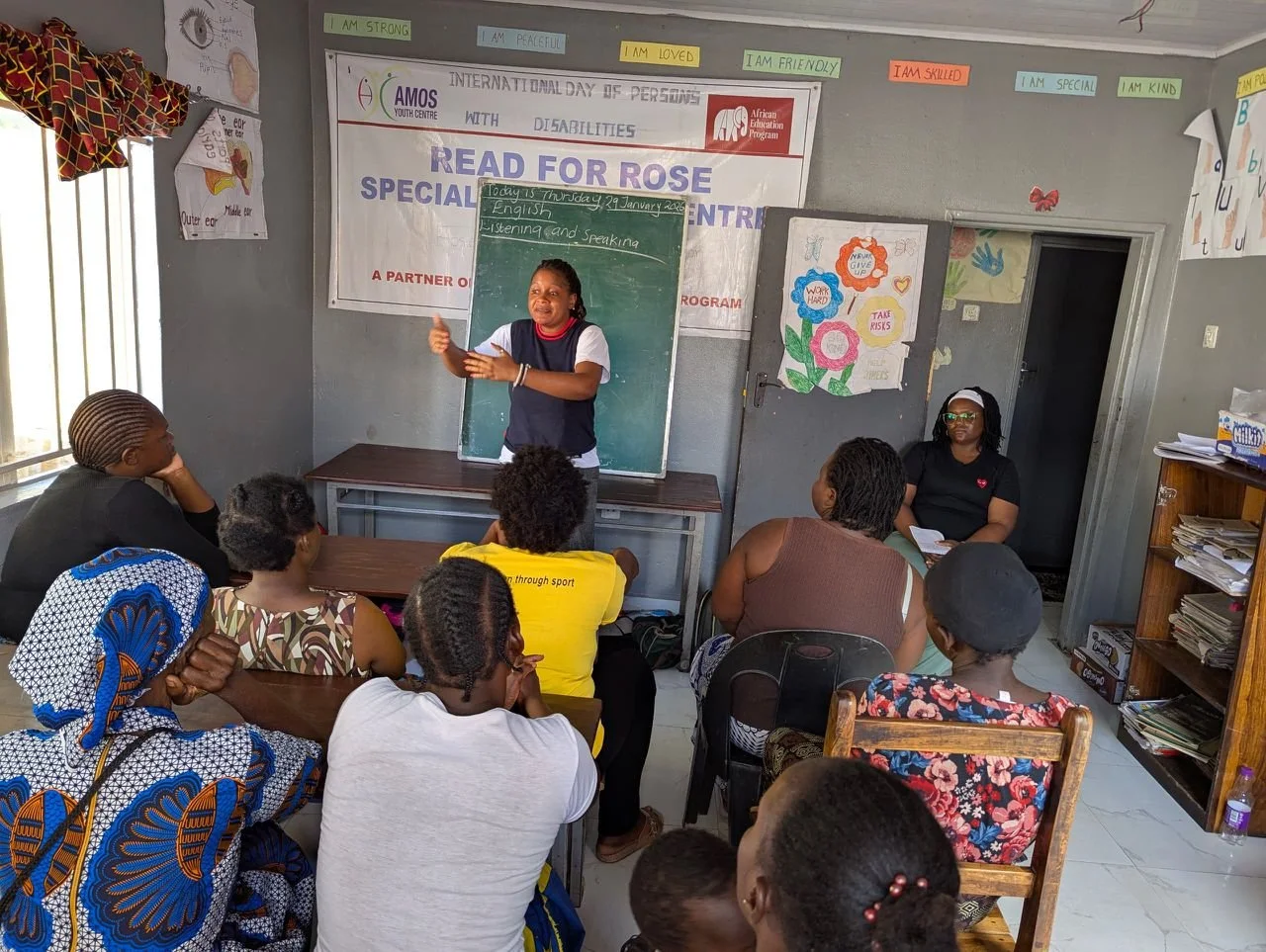
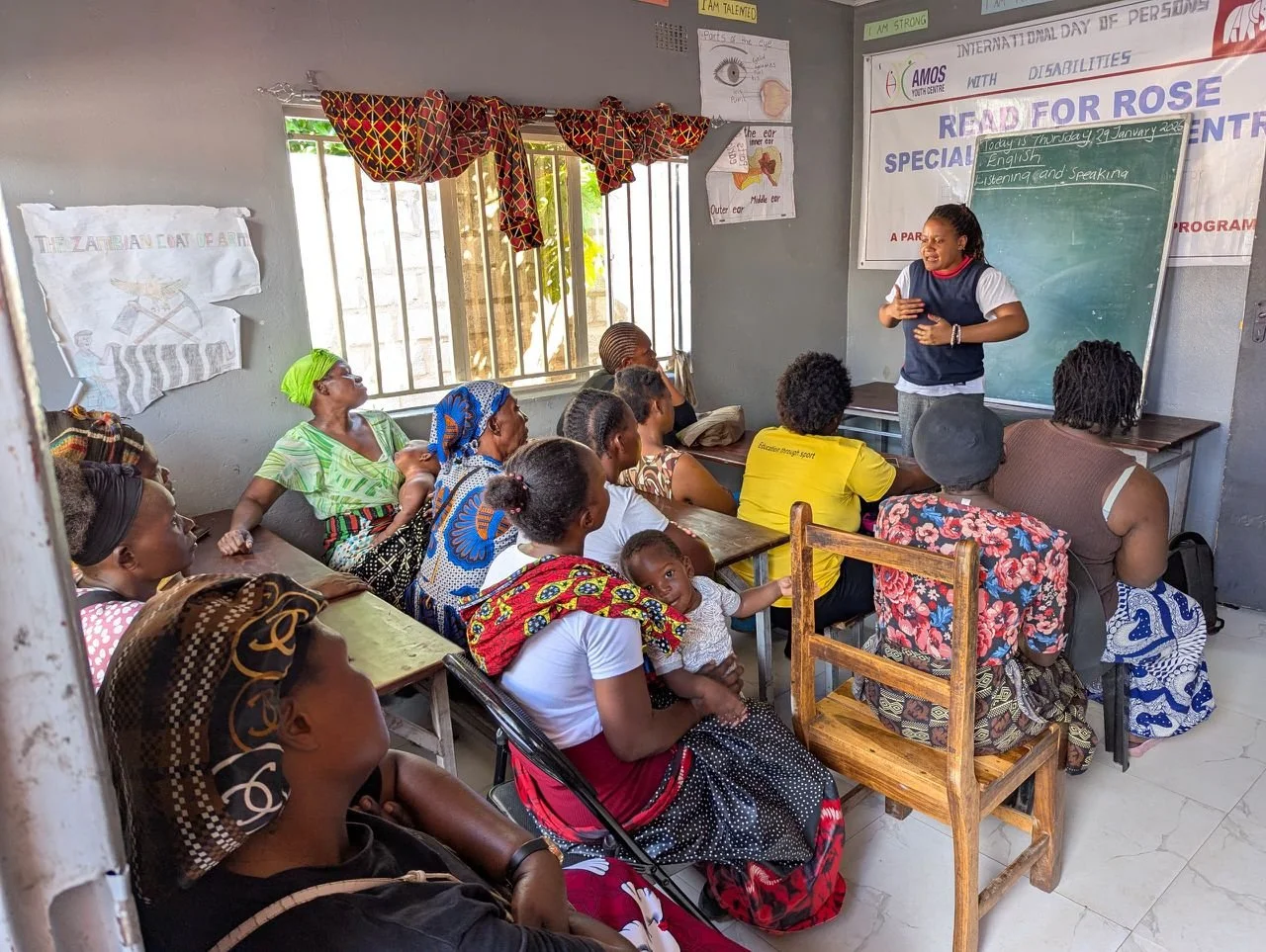
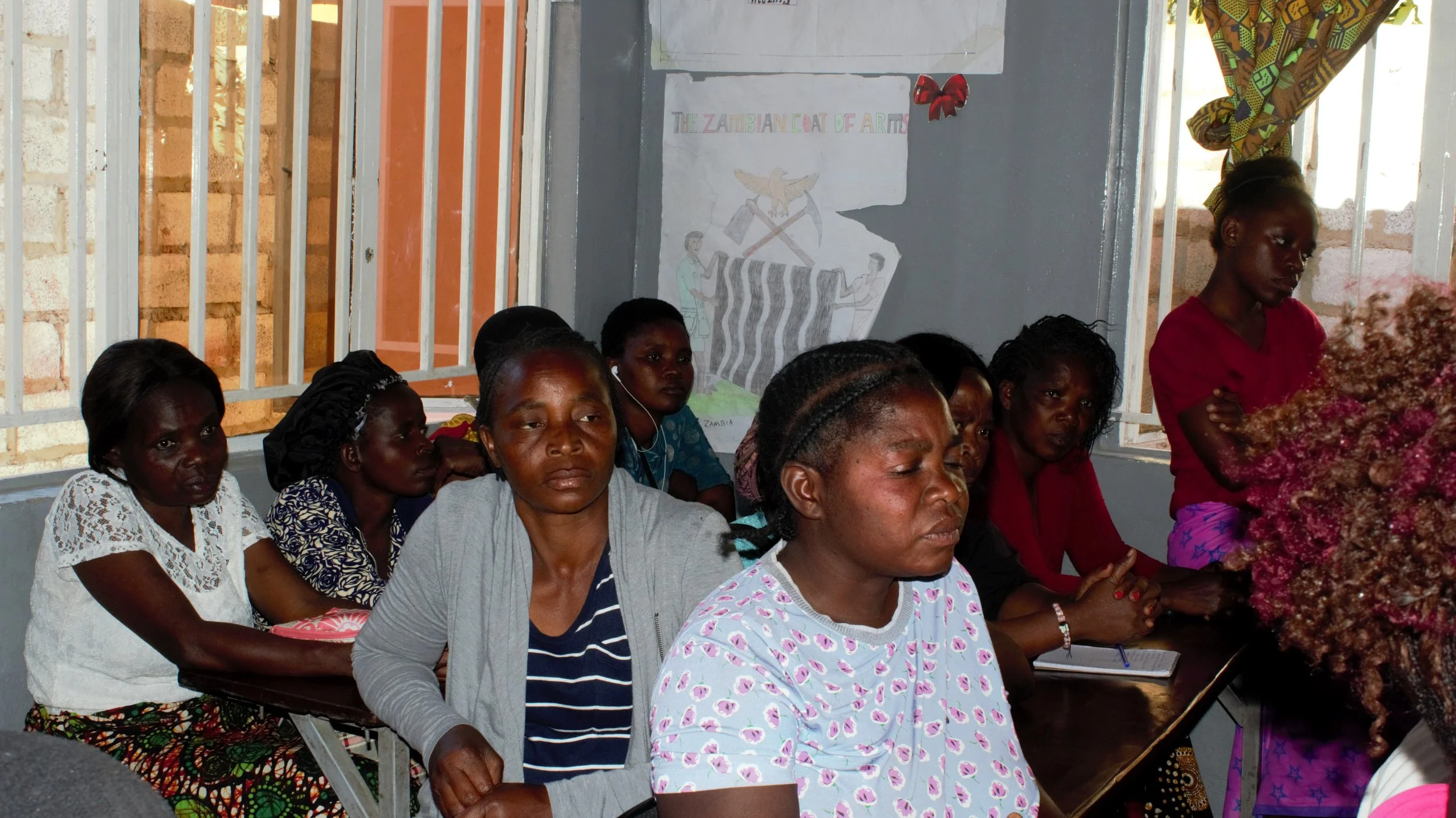
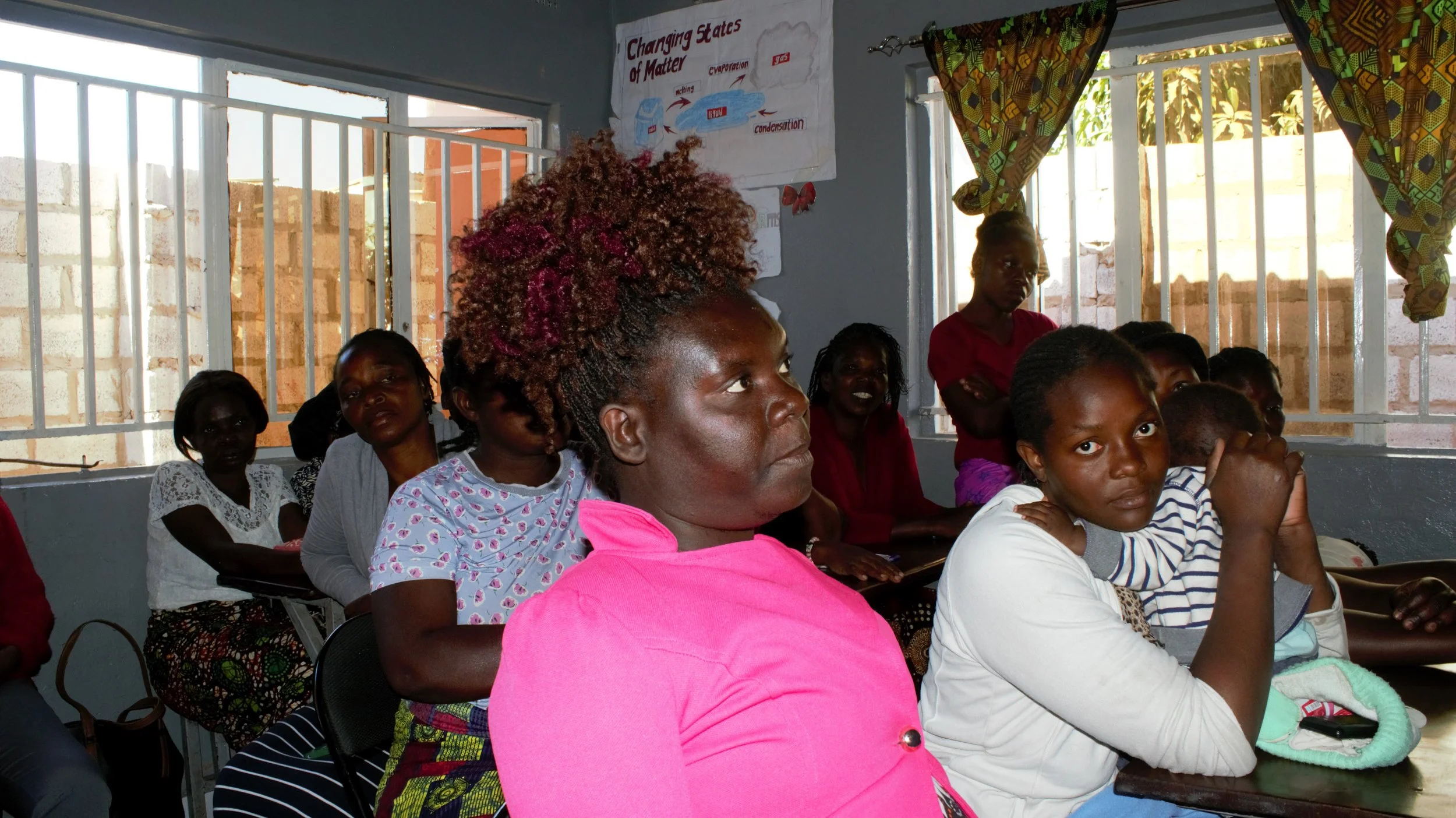
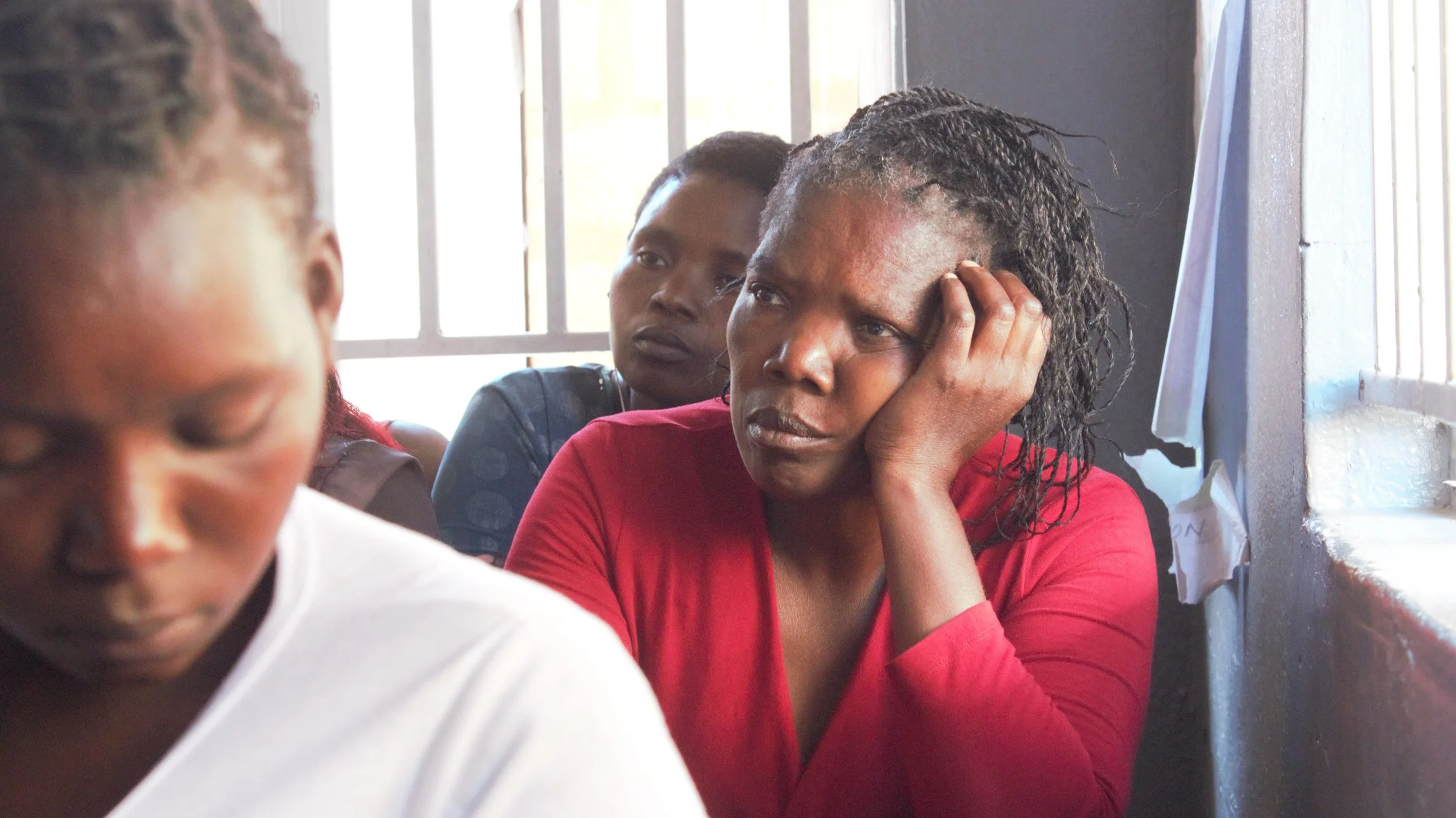
Christine Mulenga, AYC's Extracurricular Programs Manager, describes the space they have created with great care. "Every time the parents come, we explain to them that this is a safe space for them to open up and just share their stories. We assure them of confidentiality. The women are free to speak without judgement when they attend these sessions."
The sessions take place on the last Friday of the month. They begin with a recap and an icebreaker because there are often new mothers who have heard about the program through word of mouth who are attending for the first time, unsure of what they will find. The sessions draw from modules developed by our partners, including the Foundation for Family and Community Healing, and some topics are researched after requests from the women themselves.
In just one year, the results have been remarkable.
"The mothers have shown great growth and improvement in the way they now accept their children, the way they share, and how they show up to the sessions and show up for themselves," Christine shared.
The program's philosophy is rooted in AYC's holistic approach to care. "These parents have been carrying a burden for a long time and did not have the right support," Christine explained. "They are healing to become better caregivers. We know that children go home to their mothers, and those mothers need to be well."
The team hopes to see fully independent parents who can make decisions on their own, who understand their children deeply, and who carry a stable sense of mental well-being that ripples outward into their families and communities. There are already plans to expand the program into the wider community, reaching more mothers who have children with disabilities but have not yet found their way to Read for Rose.
For Karisto’s mother, Linda’s mother, Hillary’s mother, and the many women who have sat in that room on a Friday afternoon, the Read for Rose mental health sessions have given them something that no diagnosis, no abandonment, and no silence could take away.
They have been seen. They have been heard. And they have been supported.
More than a support group, this work has become a lifeline restoring dignity, rebuilding confidence, and strengthening families from within. It demonstrates the importance of addressing not only the needs of children with disabilities but also the emotional well-being of those who care for them. Because when parents are supported, children are better understood, better cared for, and better able to thrive.