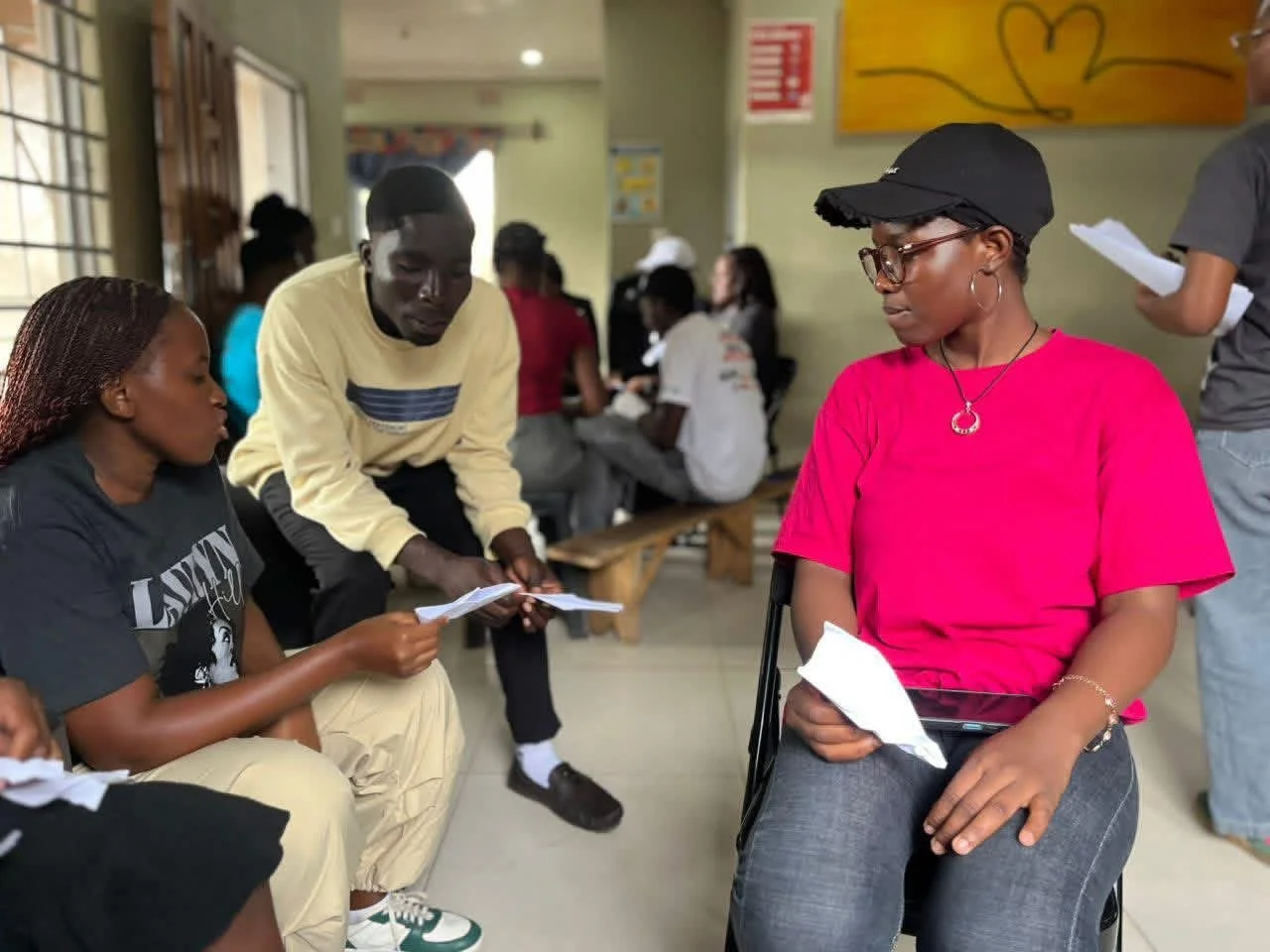
Supporting Staff Well-being at AYC

By Annabel Mumba
Annabel Mumba is AYC’s Donor Relations Coordinator. She is a Scholarship Fund recipient, and a graduate of Mulungushi University with a Bachelor of Arts in Communications (Journalism), and also one of our Success Stories.
Co-written by Pamela O’Brien, African Education Program’s Development Director, who is mentoring Annabel.
Every day at Amos Youth Centre (AYC), our team works alongside children, young people and families, creating opportunities for growth and development. But behind every holistic programme and activity that exists at our Learning & Leadership Centre are people with emotions and feelings. At AYC, we believe that supporting the people doing this work is an important part of creating a healthy and effective organisation.
For our staff, well-being means having a supportive environment where they can manage their responsibilities, feel comfortable seeking support, and remain focused on the work they do.
“Without [good mental health], the goals cannot be achieved,” one staff member shared. “Working under pressure and stress can cause one not to produce desired results.”
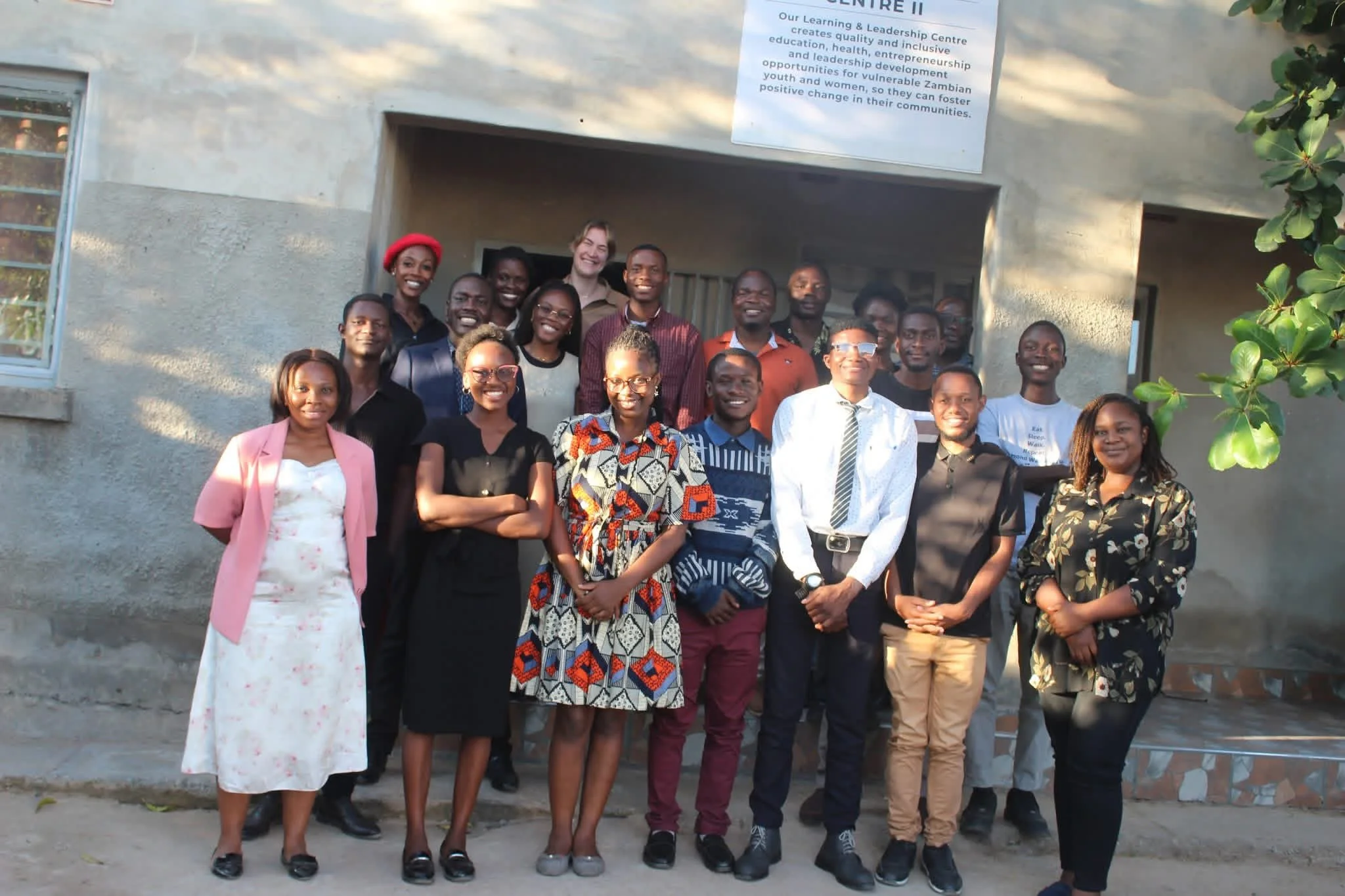
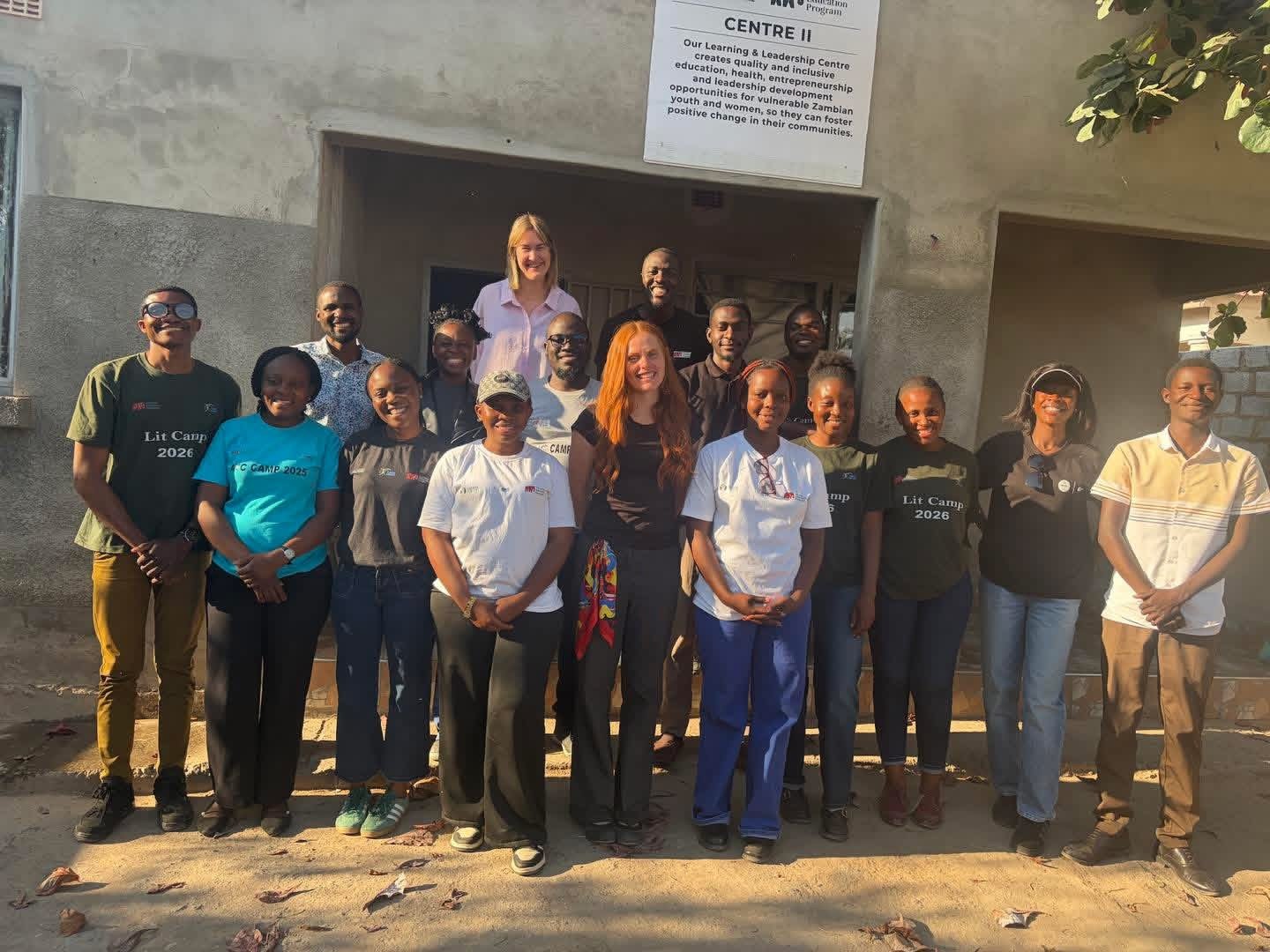
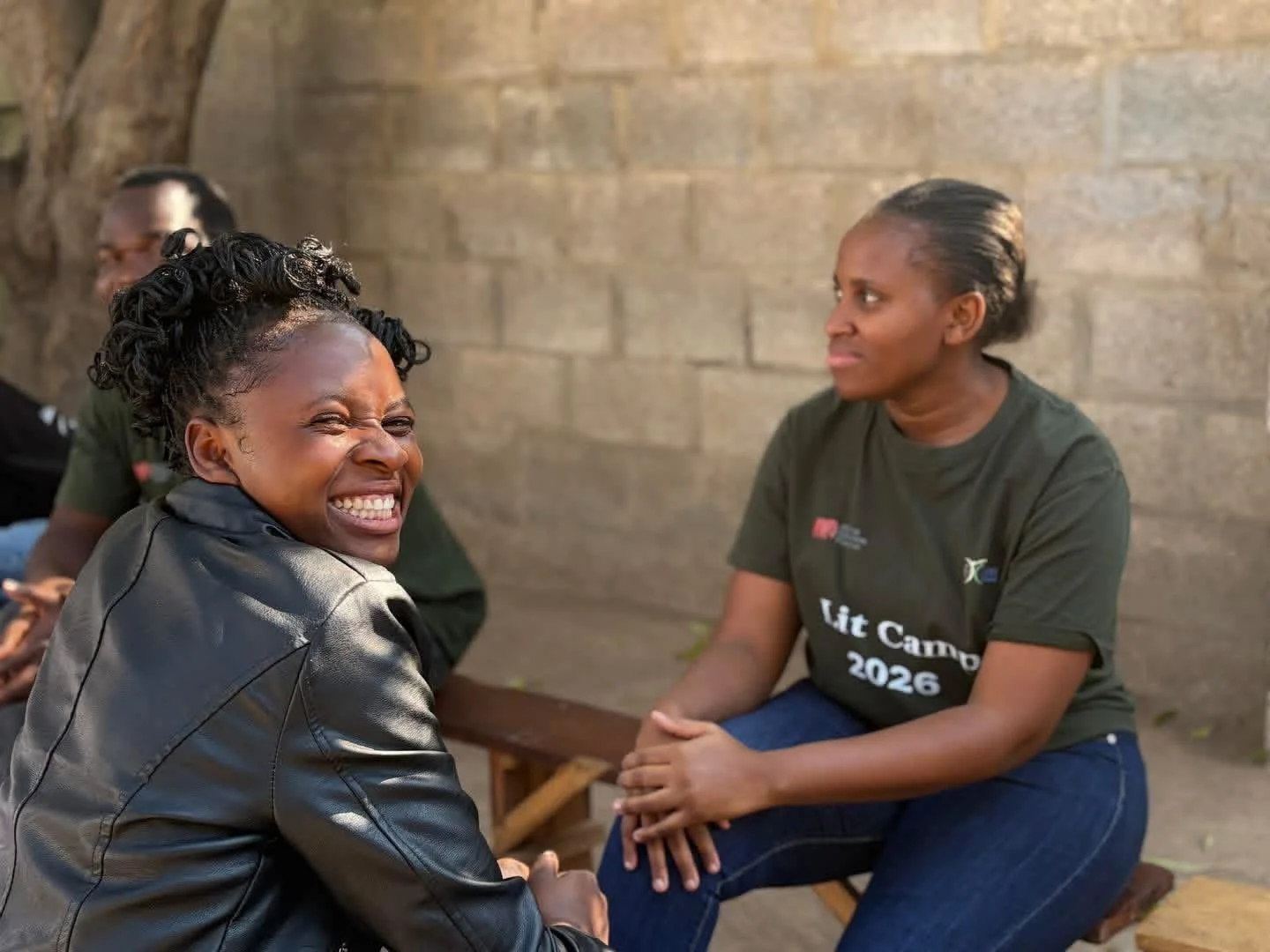
The AYC staff gathers for a mental health training.
Creating a Supportive Workplace
AYC has several ways of supporting staff well-being, including mental health leave days, access to trained counsellors, regular supervisor check-ins, and opportunities to participate in mental health and well-being training.
Staff have access to a counselling support team made up of Lumuno Mweemba, AYC Co-Founder and Director of Programmes; Christine Mulenga, Extracurricular Programmes Manager; Rabecca Tembo, Project Coordinator; and Lindunda Kalaluka, Monitoring and Evaluation Manager.
As trained counsellors, they provide staff with a safe and supportive space to talk, reflect, and seek guidance when needed.
For Christine, supporting colleagues also means creating opportunities for open conversations and checking in with staff on a personal level.
She has particularly found the mental health training to be very helpful to her not just as a staff member but as a counsellor.
“I am not a hero; I am a human being. I can only offer advice and not solutions to the problem that I am presented with.”
The lesson is a reminder that supporting others does not mean having all the answers. Sometimes, it means listening, creating a safe space, and helping someone make informed decisions.
Learning Practical Ways to Care for Our Mental Health
Mental health training has also become an important part of staff development at AYC.
Staff have participated in sessions focused on mental health awareness, managing pressure and practical techniques that can be used during stressful moments. Breathing exercises were among the tools staff found particularly useful.
For some staff, these lessons have helped them understand the importance of recognising their emotions, managing pressure and taking care of themselves so they can continue to perform their roles effectively.
Ignitious, a Facilitator Intern working with the young people in AYC’s clubs, reflected that working at AYC has helped him recognise something he had previously overlooked: “I came to know that my mental health matters.”
That awareness extends beyond the workplace. Staff are encouraged to apply what they learn in their everyday lives, recognising that personal well-being and professional performance are closely connected.
“I came to know that my mental health matters.”
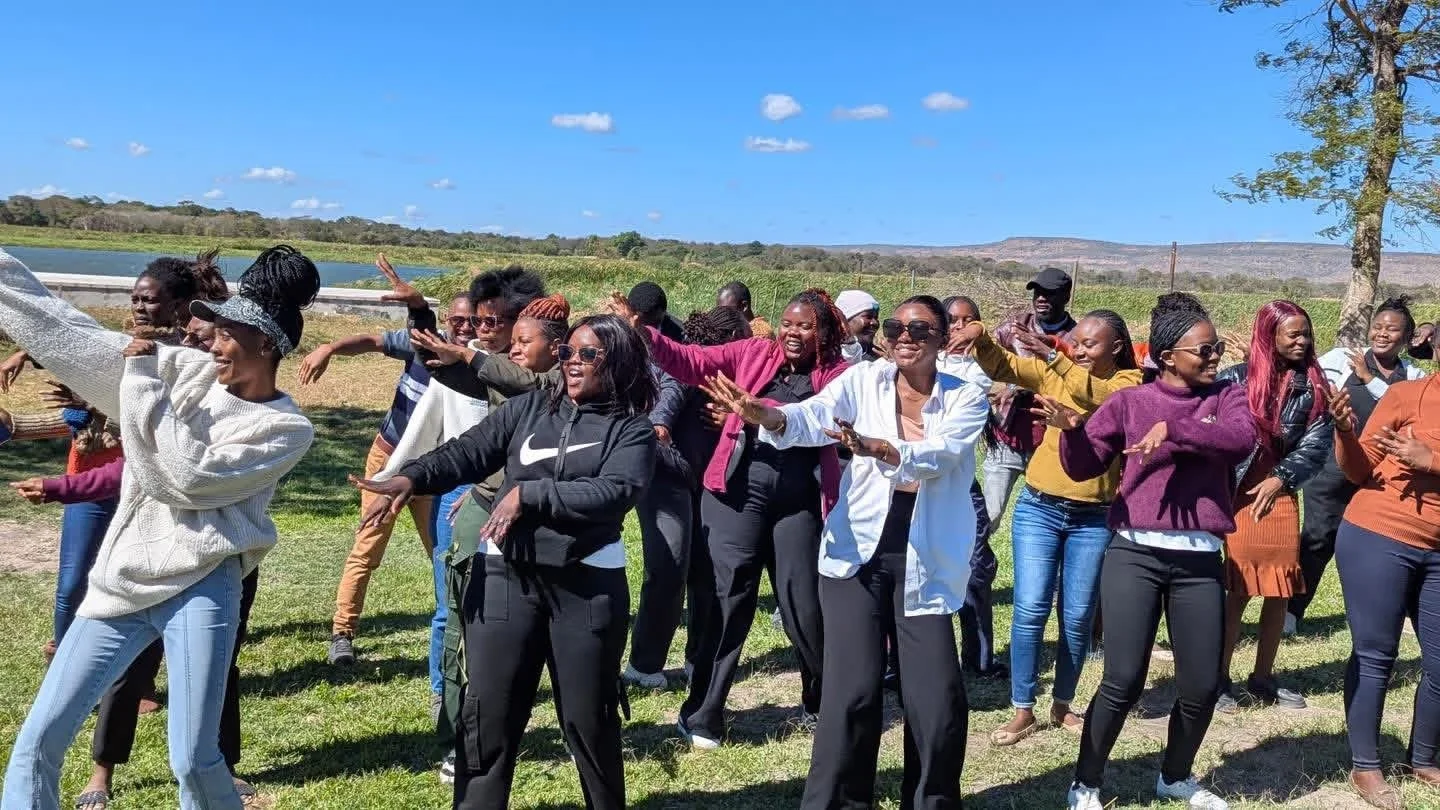
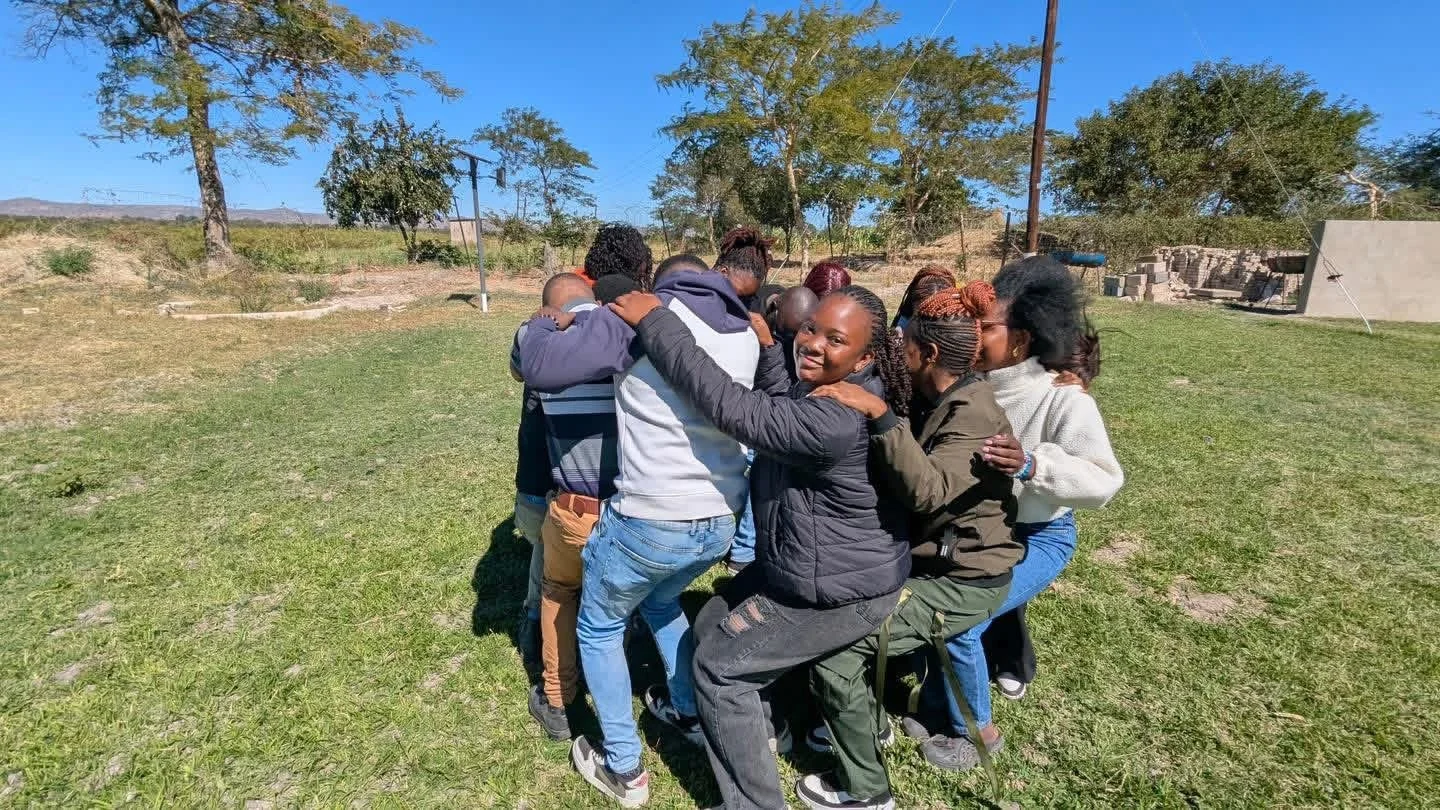
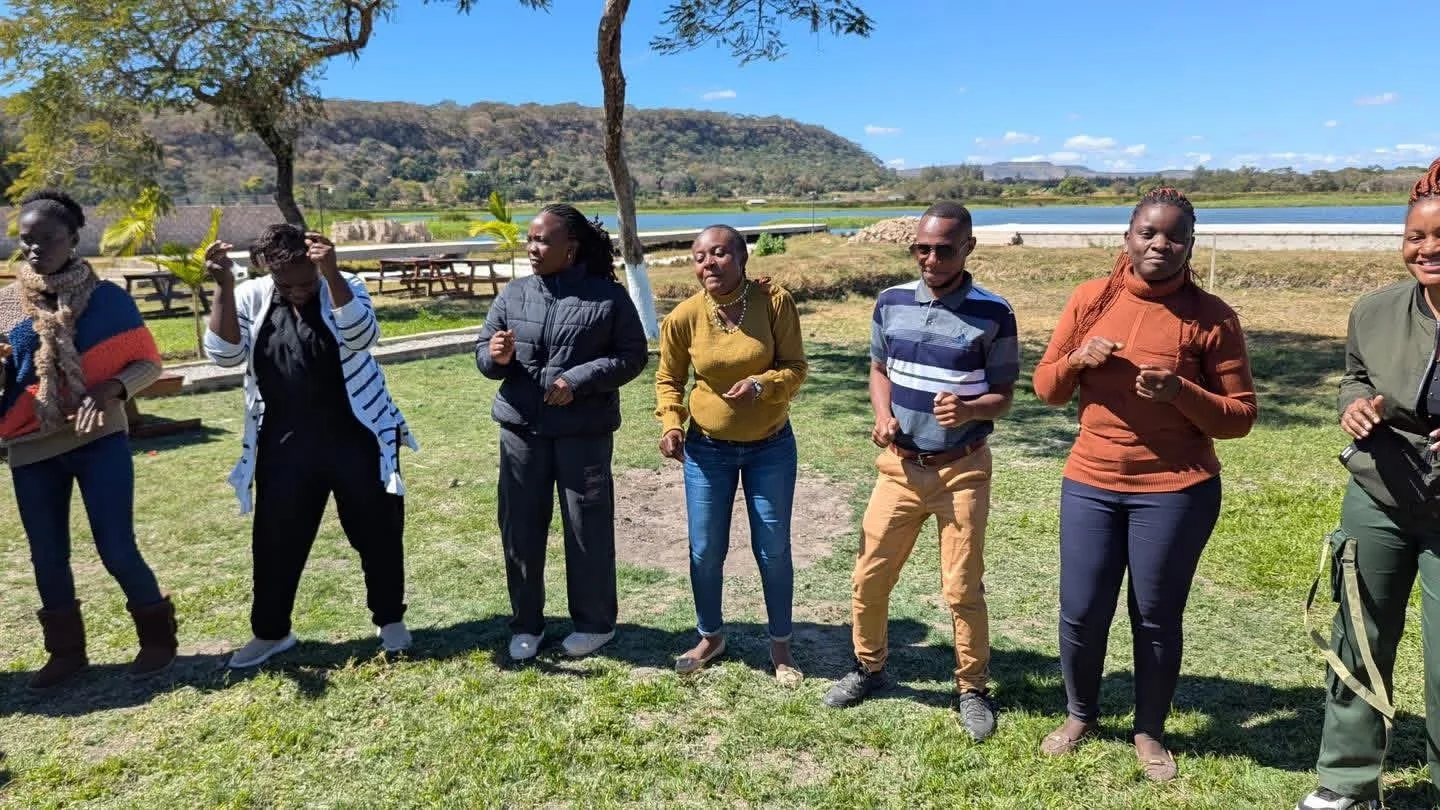
The AYC team participates in team building exercises.
Making Time to Connect
Staff well-being is not only about counselling and training. Team building and capacity building activities also allow staff to step away from their usual responsibilities, have fun and strengthen relationships.
Chanda, AYC’s Young Learners Program Coordinator, described team-building activities as being “like having a day off”, a chance to unwind, relax and get to know colleagues better.
AYC holds quarterly team-building activities designed to strengthen communication, build trust and boost team spirit. These activities vary from structured team-building exercises to visits to recreational centres, where staff can simply relax, spend time together and enjoy being a team outside their usual work environment.
Supervisors and colleagues also play an important role through regular check-ins and open communication. Staff are encouraged to speak openly about how they are doing and what support they may need.
Well-being Is Everyone’s Responsibility
Creating a healthy workplace is not only the responsibility of supervisors or management. Staff also have an important role to play.
Being a good team player, completing work on time, communicating openly, respecting colleagues and showing kindness can all contribute to a healthier working environment.
As one staff member reflected, we may never know everything another person is experiencing. Showing understanding and support can therefore make a meaningful difference.
Staff are also learning to prioritise their own well-being.
“I have learned that taking care of myself is important and it helps me to work better.”
Continuing the Journey
Supporting staff well-being is an ongoing journey at AYC. Staff have identified opportunities to continue strengthening this work through more regular mental health training, coaching and greater awareness of the support available to them.
The goal is to continue creating a workplace where conversations about well-being are normal, support is accessible, and people feel valued.
Ultimately, supporting staff well-being is about recognising that the people who care for others also need care, understanding and space to recharge.
When we take care of the people who care, we strengthen the team behind the work, and a stronger team is better equipped to support the children, young people and families at the heart of Amos Youth Centre.